
Introduction
In a world that often celebrates big achievements, extraordinary success stories, and life-changing innovations, it is easy to overlook the power of small acts of kindness.
Holding a door open for someone.
Offering a sincere compliment.
Helping a struggling colleague.
Listening to a friend who needs support.
These actions may seem insignificant in the moment, yet they possess an extraordinary ability to create positive change far beyond what we can see.
Kindness is like a stone dropped into a calm pond. The initial splash may be small, but the ripples continue expanding outward, touching places far beyond the point of impact.
Every act of compassion has the potential to inspire another act of kindness, improve someone’s day, strengthen relationships, and contribute to a more caring society.
The beauty of kindness is that it doesn’t require wealth, status, or special talent. It only requires a willingness to care.
What Is the Ripple Effect of Kindness?
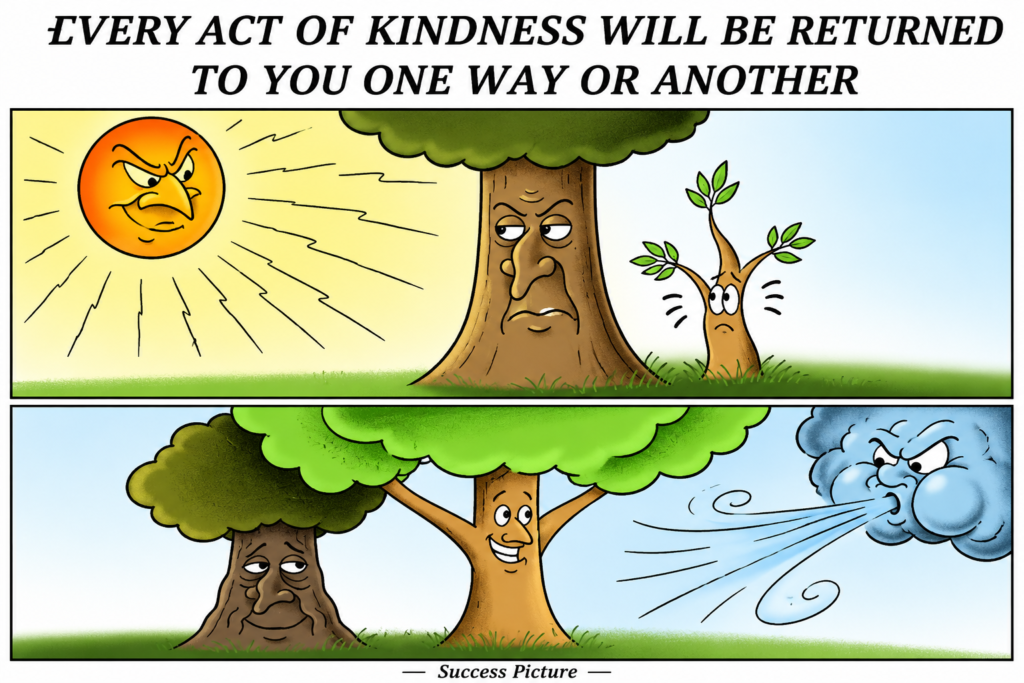
The ripple effect of kindness refers to the idea that one positive action often inspires additional positive actions.
When someone experiences kindness, they are more likely to:
- Feel happier
- Help someone else
- Develop trust in others
- Improve their outlook on life
- Strengthen social connections
A single act of compassion can influence people who were never directly involved in the original interaction.
For example, imagine helping a stranger carry heavy groceries.
That person may feel encouraged and later help someone else.
The kindness continues moving forward, creating a chain reaction of positive behavior.
Why Kindness Matters More Than Ever
Modern life can feel rushed, stressful, and disconnected.
People often face challenges that remain invisible to those around them.
Someone may be:
- Struggling financially
- Coping with loss
- Battling anxiety
- Feeling lonely
- Facing personal setbacks
A small act of kindness can provide comfort during difficult moments.
Sometimes a simple gesture reminds people that they are not alone.
Kindness has the power to restore hope when it is needed most.
The Science Behind Kindness
Research consistently shows that kindness benefits both the giver and the receiver.
Acts of kindness can contribute to:
Improved Emotional Well-Being
Helping others often creates positive feelings and a greater sense of purpose.
Stronger Social Connections
Kindness builds trust and strengthens relationships.
Reduced Stress
Compassionate actions can promote feelings of calm and connection.
Increased Happiness
People who regularly practice kindness often report greater life satisfaction.
Kindness is not only good for society—it is also good for personal well-being.
Small Acts Can Create Big Results
Many people underestimate the impact of simple gestures.
Consider these examples:
A Teacher’s Encouragement
A few supportive words may inspire a student to believe in their potential.
Years later, that confidence could influence an entire career.
A Stranger’s Help
Assisting someone during a difficult day may restore their faith in humanity.
A Friend’s Support
Listening without judgment can help someone feel understood and valued.
The true impact of kindness often remains invisible.
You may never fully know how your actions affect another person’s life.
Kindness Creates Positive Communities
Communities thrive when kindness becomes a shared value.
Acts of compassion contribute to:
- Greater trust
- Improved cooperation
- Stronger relationships
- Increased empathy
- Better communication
Whether in neighborhoods, workplaces, schools, or families, kindness creates environments where people feel respected and supported.
Positive communities begin with individual actions.
Why Kindness Is Not a Sign of Weakness
Some people mistakenly view kindness as vulnerability.
In reality, kindness often requires strength.
It takes courage to:
- Forgive others
- Show empathy
- Offer help without expecting rewards
- Remain compassionate during difficult situations
Kindness reflects emotional maturity and confidence.
Strong people choose compassion even when they have the option to be indifferent.
The Connection Between Kindness and Success
Success is often associated with intelligence, skill, and determination.
However, kindness also plays an important role.
People are naturally drawn to individuals who:
- Treat others with respect
- Show empathy
- Communicate positively
- Build meaningful relationships
Kindness can improve leadership, teamwork, networking, and professional growth.
Many successful individuals understand that lasting success involves positively impacting others.
How Kindness Changes the Person Giving It
The benefits of kindness are not limited to those who receive it.
Kindness transforms the giver as well.
When you practice compassion regularly, you often develop:
Greater Gratitude
Helping others increases appreciation for your own blessings.
Improved Perspective
Kindness shifts attention away from self-centered concerns.
Increased Empathy
Compassion helps you better understand the experiences of others.
Stronger Character
Repeated acts of kindness reinforce positive values and habits.
Over time, kindness becomes part of who you are.
Practical Ways to Practice Kindness Daily
You don’t need grand gestures to make a difference.
Simple actions can have meaningful impact.
Offer Genuine Compliments
A few encouraging words can brighten someone’s day.
Listen Carefully
Giving someone your full attention is a powerful act of respect.
Express Gratitude
Thank people for their efforts and contributions.
Help Without Being Asked
Look for opportunities to support others.
Be Patient
Patience often communicates kindness more effectively than words.
Share Knowledge
Helping others learn and grow is a valuable gift.
Teaching Kindness to Future Generations
Children often learn through observation.
When adults model kindness, young people are more likely to adopt similar behaviors.
Teaching kindness involves:
- Demonstrating empathy
- Encouraging respect
- Celebrating generosity
- Practicing gratitude
- Showing compassion toward others
The lessons children learn today can shape the communities of tomorrow.
The Lasting Legacy of Kindness
Many achievements eventually fade.
Awards gather dust.
Titles change.
Material possessions lose value.
But kindness leaves a lasting impact.
People may forget what you said.
They may forget what you accomplished.
Yet they often remember how you made them feel.
Acts of compassion can influence lives long after the moment has passed.
That is a legacy worth building.
ALSO READ…
- Happiness Is Not About Position—It’s About Perspective
- How Social Media Likes Became Today’s Emotional Currency
- The Powerful Lesson About Friendship and Money Most People Learn Too Late
- Why Money Should Be a Tool, Not a Prison
- How You See Yourself Shapes Your Entire Life
A Simple Challenge
Today, try one intentional act of kindness.
It doesn’t need to be dramatic.
Send a thoughtful message.
Help someone who needs support.
Offer encouragement.
Express appreciation.
You may never know how far that single action travels.
But like ripples on water, kindness has a way of reaching places you cannot see.
Conclusion
Kindness is one of the most powerful forces available to us.
It costs little, requires no special qualifications, and has the potential to transform lives.
Every smile, encouraging word, helping hand, and compassionate action creates a ripple effect that extends beyond the immediate moment.
In a world where negativity often receives the most attention, kindness remains a quiet force for positive change.
The next time you have an opportunity to help, encourage, or support someone, take it.
Because small acts of compassion can create lasting positive change—not only for others but for yourself as well.
And sometimes, the smallest ripple can become the wave that changes someone’s life.
SHARING IS CARING 💖