
Introduction
Throughout life, people will form opinions about you.
Some will support your dreams. Others may doubt your abilities. Some will judge you based on your appearance, background, circumstances, or limitations. No matter who you are, you cannot control what everyone thinks.
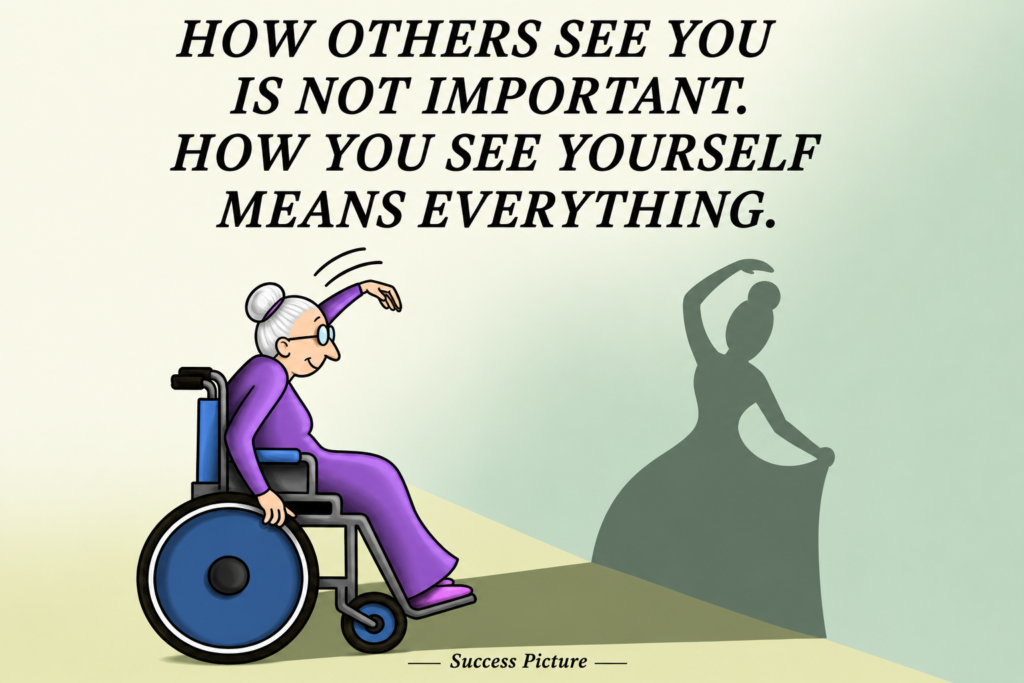
What you can control is how you see yourself.
This single factor often determines the direction of your life more than any outside opinion ever could.
A person who believes in themselves can overcome challenges that seem impossible. A person who constantly doubts themselves may struggle even when opportunities are within reach.
History is filled with examples of people who achieved extraordinary things despite criticism, rejection, or circumstances that others believed would hold them back.
The difference was not that everyone believed in them.
The difference was that they believed in themselves.
Self-belief and confidence are not merely motivational concepts. They are powerful forces that shape decisions, actions, persistence, and ultimately success.
Why Self-Perception Matters
Self-perception is the way you view yourself.
It includes your beliefs about:
- Your abilities
- Your value
- Your potential
- Your strengths
- Your limitations
Whether these beliefs are accurate or not, they influence behavior.
If you believe you are capable, you are more likely to take action.
If you believe you are not good enough, you may avoid opportunities before even trying.
The way you see yourself becomes the foundation for the choices you make.
The Hidden Influence of Self-Belief
Most people underestimate the power of self-belief.
Confidence affects:
Career Growth
People who believe in their abilities are more likely to apply for opportunities, seek promotions, and pursue ambitious goals.
Relationships
Healthy self-confidence often leads to stronger relationships because individuals value themselves and establish healthy boundaries.
Personal Development
Self-belief encourages learning, growth, and resilience during difficult times.
Mental Well-Being
People who maintain a positive self-image often cope more effectively with setbacks and challenges.
Confidence doesn’t guarantee success.
However, a lack of confidence frequently prevents people from pursuing success at all.
The Danger of Letting Others Define You
One of the biggest obstacles to personal growth is allowing other people’s opinions to determine your self-worth.
Throughout life, you may encounter:
- Critics
- Doubters
- Negative comparisons
- Unfair judgments
- Rejection
If you allow every opinion to shape your identity, your confidence becomes dependent on external validation.
External validation is unstable.
Opinions change.
People disagree.
Circumstances evolve.
Building your identity on outside approval often creates insecurity.
True confidence comes from developing an internal sense of worth.
The Story You Tell Yourself
Every person carries an internal narrative.
Some people tell themselves:
- “I can learn anything.”
- “I am capable of improving.”
- “Challenges help me grow.”
Others repeat:
- “I’m not talented enough.”
- “I always fail.”
- “Success isn’t for people like me.”
These stories influence behavior.
The mind often acts according to what it repeatedly believes.
If you constantly tell yourself limiting stories, your actions may reflect those limitations.
Changing your life often begins with changing the story you tell yourself.
Confidence Is Built Through Action
Many people wait to feel confident before taking action.
In reality, confidence usually develops after taking action.
Think about learning to:
- Drive a car
- Speak in public
- Start a business
- Play a sport
- Learn a new skill
Most people begin with uncertainty.
Confidence grows through experience.
Every small success provides evidence that you are capable.
Action creates confidence.
Avoidance strengthens fear.
Overcoming Limiting Labels
Society often labels people based on:
- Age
- Appearance
- Education
- Physical limitations
- Financial status
- Background
These labels do not define potential.
Some of the most inspiring individuals in history achieved remarkable success despite facing obstacles that others believed were impossible to overcome.
What mattered most was not how the world saw them.
What mattered was how they saw themselves.
When you refuse to let labels determine your identity, you create space for growth and possibility.
Why Comparison Destroys Confidence
Comparison is one of the greatest threats to self-belief.
Modern technology makes comparison easier than ever.
Social media often presents carefully edited versions of people’s lives.
As a result, many individuals compare their everyday reality to someone else’s highlight reel.
This comparison can create:
- Self-doubt
- Insecurity
- Dissatisfaction
- Anxiety
The truth is that every person follows a different journey.
Your progress should be measured against your previous self, not someone else’s success.
Growth becomes easier when comparison is replaced with self-improvement.
The Connection Between Self-Belief and Success
Successful individuals are not always the most talented.
Often, they are simply willing to keep going when others give up.
Self-belief fuels persistence.
When setbacks occur, confident individuals are more likely to think:
“This is difficult, but I can learn from it.”
Without self-belief, setbacks often feel permanent.
With self-belief, setbacks become temporary obstacles.
This mindset can make a tremendous difference over time.
Practical Ways to Strengthen Self-Belief
1. Focus on Your Strengths
Everyone has unique abilities.
Spend time developing your strengths rather than obsessing over weaknesses.
2. Challenge Negative Self-Talk
Pay attention to your internal dialogue.
Replace destructive thoughts with constructive alternatives.
3. Celebrate Small Wins
Progress builds confidence.
Recognize achievements, even small ones.
4. Learn New Skills
Competence often creates confidence.
The more capable you become, the stronger your self-belief grows.
5. Surround Yourself with Positive Influences
Supportive people can encourage growth and reinforce healthy perspectives.
6. Keep Promises to Yourself
Self-trust develops when you consistently follow through on commitments.
The Difference Between Confidence and Arrogance
Confidence is often misunderstood.
Confidence means believing in your abilities while remaining open to learning.
Arrogance means believing you are superior to others.
True confidence is not loud.
It does not require constant validation.
It is quiet, steady, and rooted in self-respect.
Confident people do not need to prove their worth because they already recognize it.
Self-Belief During Difficult Times
Life inevitably brings challenges.
You may experience:
- Failure
- Rejection
- Loss
- Criticism
- Unexpected setbacks
During these moments, self-belief becomes especially important.
Confidence does not mean believing everything will always work out perfectly.
It means trusting yourself to adapt, learn, and move forward regardless of circumstances.
That trust creates resilience.
Resilience creates growth.
ALSO READ…
- Happiness Is Not About Position—It’s About Perspective
- How Social Media Likes Became Today’s Emotional Currency
- The Powerful Lesson About Friendship and Money Most People Learn Too Late
- Why Money Should Be a Tool, Not a Prison
- How You See Yourself Shapes Your Entire Life
A Powerful Truth About Potential
Many people never discover what they are capable of because they stop themselves before life does.
They assume they cannot succeed.
They fear judgment.
They listen to critics.
They underestimate their abilities.
Potential is rarely revealed through comfort.
It emerges through effort, courage, and persistence.
The greatest obstacle is often not external limitations but internal doubt.
Conclusion
The opinions of others will always exist.
Some people will believe in you.
Others will not.
Neither group should determine your value.
Your future is shaped far more by your self-belief than by the judgments of strangers.
When you develop confidence, trust your abilities, and refuse to let limitations define you, new possibilities begin to emerge.
Remember:
The world responds to the energy, confidence, and belief you bring into it.
See yourself as capable.
See yourself as worthy.
See yourself as someone who can grow, learn, and achieve meaningful goals.
Because how you see yourself truly matters more than what others think.
And when self-belief becomes stronger than self-doubt, remarkable things become possible.
SHARING IS CARING 💖