
Introduction: The New Currency Nobody Talks About
Years ago, people measured success mostly through:
- Money
- Education
- Career achievements
- Social status
But today, something new silently influences emotions and self-worth:
👉 Social media validation.
Now people often measure value through:
- Likes
- Followers
- Shares
- Views
- Comments
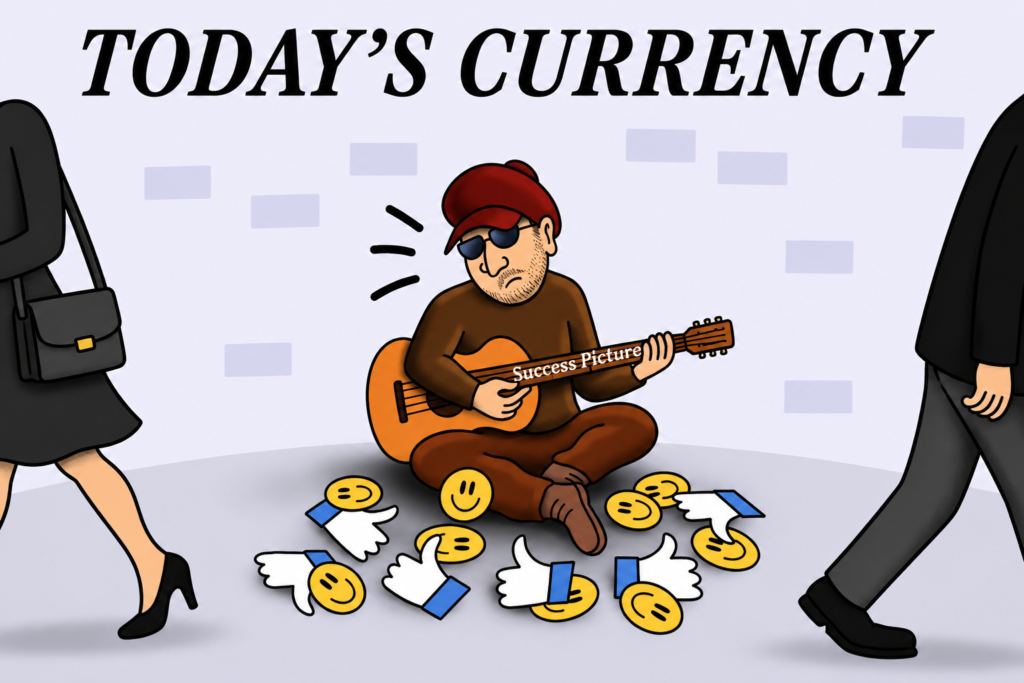
What once seemed like harmless online interaction has slowly become emotional currency in modern society.
A single post can affect:
- Confidence
- Mood
- Self-esteem
- Happiness
And honestly, many people don’t even realize how deeply social media approval influences their emotions.
📱 The Day I Realized Likes Were Affecting My Mood
I remember posting something online that I thought was meaningful. After uploading it, I kept checking my phone repeatedly:
- Who liked it?
- How many views did it get?
- Why wasn’t engagement higher?
At first, it felt normal. But eventually I noticed something uncomfortable:
👉 My emotions were changing based on online reactions.
If a post performed well, I felt confident.
If it didn’t, I felt strangely disappointed.
That moment made me realize something powerful:
👉 Social media platforms had quietly turned attention into emotional reward systems.
🧠 Why Social Media Validation Feels So Addictive
Human beings naturally want:
- Acceptance
- Recognition
- Connection
- Appreciation
Social media amplifies these emotional needs by transforming them into visible numbers.
Every notification creates a small emotional reaction:
- A like feels like approval
- A share feels like validation
- A follower feels like importance
Over time, the brain starts associating digital attention with personal worth.
That is why social media validation can become emotionally addictive.
🌧️ The Hidden Emotional Pressure of Online Approval
Many people now unconsciously feel pressure to:
- Look successful
- Appear happy
- Stay relevant
- Impress others online
This creates emotional exhaustion because people begin performing life instead of fully living it.
Some individuals stop asking:
👉 “Am I happy?”
And start asking:
👉 “Does this look impressive online?”
That shift quietly damages emotional peace.
🌍 How Likes Became Modern-Day Currency
Today, likes often influence:
- Popularity
- Business opportunities
- Social status
- Confidence
- Personal identity
In many ways, online attention now functions like emotional currency.
People trade:
- Photos
- Opinions
- Personal moments
- Lifestyle content
for:
- Validation
- Recognition
- Attention
The more engagement someone receives, the more emotionally valuable they may feel temporarily.
💡 The Dangerous Connection Between Likes and Self-Worth
One of the biggest problems with social media culture is this:
👉 Self-worth becomes connected to public reaction.
When someone receives less engagement than expected, they may feel:
- Ignored
- Unimportant
- Less attractive
- Less successful
But online algorithms cannot measure:
- Intelligence
- Kindness
- Character
- Emotional depth
- Real human value
Unfortunately, many people slowly forget that.
😔 The Comparison Trap Social Media Creates
Social media constantly exposes people to:
- Luxury lifestyles
- Perfect vacations
- Attractive appearances
- Success stories
- Carefully edited happiness
But most people only post their highlights—not their struggles.
The problem is:
👉 Real life starts competing against edited reality.
That comparison damages:
- Confidence
- Gratitude
- Mental peace
Because no human life feels perfect all the time.
🔥 Why Viral Attention Feels So Powerful
The brain reacts strongly to social approval because attention once helped humans survive socially.
Today, that ancient emotional system is triggered by:
- Notifications
- Viral posts
- Shares
- Positive comments
That’s why online attention can feel emotionally exciting—even when it comes from strangers.
But the emotional high usually fades quickly, creating a cycle where people constantly seek more validation.
🌱 The Emotional Cost of Chasing Online Validation
Many people slowly become emotionally dependent on attention without realizing it.
They may:
- Delete posts with low engagement
- Feel anxious after posting
- Compare follower counts
- Obsess over comments
Over time, social media stops being entertainment and becomes emotional pressure.
And honestly, constant validation-seeking creates exhaustion.
🌿 The Difference Between Connection and Validation
Social media itself is not entirely bad. It can:
- Inspire people
- Build communities
- Share creativity
- Create opportunities
The problem begins when:
👉 Validation becomes more important than genuine connection.
There’s a huge difference between:
- Sharing experiences naturally
and - Needing online approval to feel valuable
One creates connection.
The other creates dependency.
🚨 Why Online Attention Never Fully Satisfies
One of the strangest things about validation is that it rarely feels permanent.
No matter how much attention people receive:
- They often want more
- They fear losing relevance
- They compare constantly
Because external validation cannot permanently fix internal insecurity.
That’s why people with millions of followers can still feel emotionally unhappy or lonely.
🌸 The Moment I Started Reconnecting With Real Life
At one point, I decided to reduce my time on social media for a while.
At first, it felt uncomfortable. I kept reaching for my phone automatically.
But slowly, I noticed something surprising:
👉 My mind became quieter.
I started paying more attention to:
- Real conversations
- Nature
- Personal growth
- Peaceful moments
Without constantly chasing online reactions, life began feeling more emotionally real again.
🌎 Why Human Connection Matters More Than Digital Attention
Likes can create temporary excitement.
But genuine human connection creates lasting emotional fulfillment.
Real relationships involve:
- Presence
- Understanding
- Support
- Shared experiences
And none of those things can truly be replaced by digital numbers.
🧘 How to Build a Healthier Relationship With Social Media
These habits helped me regain emotional balance:
✔ Limiting Comparison
Protecting peace matters more than competing online.
✔ Reducing Screen Time
Too much scrolling increases emotional overload.
✔ Focusing on Real-Life Experiences
Offline moments create genuine happiness.
✔ Separating Self-Worth From Engagement
Likes do not define human value.
✔ Using Social Media Intentionally
Instead of emotionally depending on it.
🌈 The Powerful Truth Most People Learn Too Late
One of the most important lessons modern society needs to understand is this:
👉 Attention is not the same as self-worth.
Likes are temporary.
Algorithms constantly change.
Online popularity fades quickly.
But real confidence comes from:
- Self-respect
- Emotional health
- Meaningful relationships
- Inner peace
Not from strangers reacting to content online.
💭 Why This Topic Matters More Than Ever
Today’s world constantly encourages:
- Comparison
- Attention-seeking
- Online performance
- Validation addiction
That’s why learning emotional independence has become one of the most valuable modern life skills.
People who protect their peace from constant digital validation often feel:
- More grounded
- More confident
- More emotionally stable
Because their identity is no longer controlled by online approval.
ALSO READ…
- 33 Magical Moon Quotes That Will Touch Your Soul at Night
- 100+ Heartfelt Mother’s Day Quotes to Express Love, Gratitude & Strength (2026 Guide)
- 75 Happy Father’s Day Quotes to Celebrate Love, Strength & Guidance (2026 Guide)
- 75 Self-Love Quotes to Build Confidence & Inner Strength (2026 Guide)
- 75 Funny Valentine’s Day Quotes for Couples, Singles & Friends (2026)
❓ Frequently Asked Questions
Why are social media likes addictive?
Likes trigger emotional reward systems in the brain connected to approval and recognition.
Can social media affect self-esteem?
Yes. Constant comparison and validation-seeking can reduce confidence and emotional well-being.
How can I stop depending on online validation?
Focus more on real-life growth, meaningful relationships, self-respect, and reducing comparison.
🌙 Final Thoughts
How social media likes became today’s emotional currency is one of the biggest psychological shifts of modern life.
What began as simple online interaction slowly evolved into a system where:
- Attention feels valuable
- Validation feels rewarding
- Numbers influence emotions
But the most important thing to remember is this:
👉 Human worth cannot be measured by likes, followers, or online attention.
Real value comes from:
- Character
- Kindness
- Growth
- Emotional strength
- Genuine human connection
Because at the end of the day, a peaceful mind and authentic relationships will always matter more than temporary digital approval.
SHARING IS CARING 💖