
Introduction
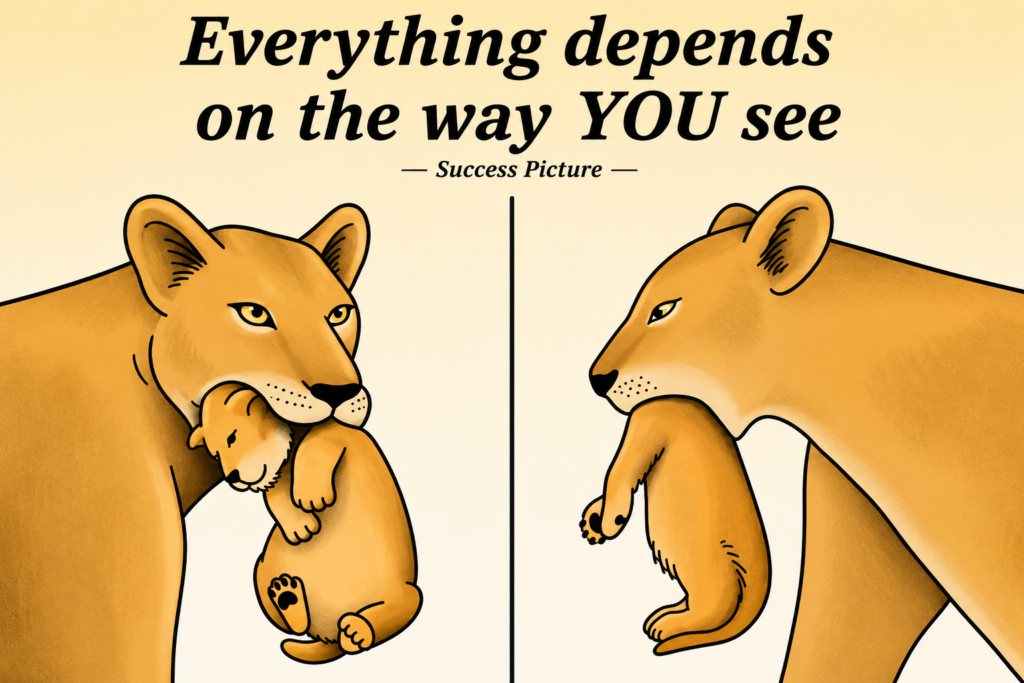
Two people can experience the exact same situation and walk away with completely different conclusions.
One person sees a challenge and feels defeated.
The other sees the same challenge and discovers an opportunity to grow.
One person views failure as proof that they are not good enough.
Another sees failure as valuable feedback on the road to success.
What creates this difference?
Perspective.
Perspective is the lens through which we view the world. It influences how we interpret events, react to obstacles, build relationships, and pursue our goals.
The truth is that reality is often shaped not only by what happens to us but by how we choose to interpret what happens.
This doesn’t mean we should ignore difficulties or pretend problems do not exist. Instead, it means understanding that our perspective has tremendous power over our experiences, decisions, and emotional well-being.
Learning to shift perspective can transform the way we approach life, success, and happiness.
What Is Perspective?
Perspective is the way we interpret and understand situations, experiences, and people.
It is influenced by:
- Personal experiences
- Beliefs
- Values
- Education
- Culture
- Emotions
- Expectations
Perspective acts like a filter.
Two people may look at the same event, but their filters cause them to see different meanings.
This explains why one individual may view change as exciting while another sees it as threatening.
The event is the same.
The perspective is different.
Why Perspective Matters More Than Circumstances
Many people believe happiness and success depend entirely on circumstances.
They think:
“I’ll be happy when I earn more money.”
“I’ll feel successful when I get promoted.”
“I’ll enjoy life when my problems disappear.”
While circumstances matter, perspective often plays an even greater role.
Consider two individuals who lose their jobs.
One views it as a disaster.
The other sees it as an opportunity to pursue a new career path.
Both face the same challenge, but their perspectives create very different outcomes.
Perspective influences action.
Action influences results.
Results shape the future.
The Power of Reframing
One of the most valuable mental skills is reframing.
Reframing means consciously choosing a different way to view a situation.
Instead of asking:
“Why is this happening to me?”
Ask:
“What can I learn from this?”
Instead of saying:
“I failed.”
Try:
“I discovered a way that doesn’t work.”
Instead of thinking:
“This challenge is impossible.”
Consider:
“This challenge will help me grow stronger.”
Reframing doesn’t eliminate problems.
It changes how you respond to them.
How Perspective Affects Success
Successful people are not immune to setbacks.
They experience failures, criticism, disappointment, and uncertainty just like everyone else.
The difference often lies in how they interpret those experiences.
Obstacles Become Lessons
Successful individuals view setbacks as opportunities to learn.
Failure Becomes Feedback
They understand that mistakes provide valuable information.
Challenges Become Growth Opportunities
Difficult situations often reveal strengths people never knew they possessed.
A growth-oriented perspective encourages persistence.
Without persistence, long-term success becomes difficult to achieve.
The Relationship Between Perspective and Happiness
Research and personal experience both suggest that happiness is influenced by how we view life.
People who focus exclusively on what is missing often struggle to appreciate what they already have.
Meanwhile, those who practice gratitude tend to experience greater contentment.
This doesn’t mean ignoring ambitions or pretending life is perfect.
It means recognizing that happiness often grows from appreciation rather than constant comparison.
A grateful perspective transforms ordinary moments into meaningful experiences.
The Role of Perspective in Relationships
Relationships are heavily influenced by perception.
Misunderstandings frequently occur because people assume they know another person’s intentions.
Perspective encourages empathy.
Instead of immediately judging someone, we can ask:
- What might they be experiencing?
- What challenges are they facing?
- Could there be another explanation?
Seeing situations from another person’s viewpoint often improves communication and strengthens relationships.
Empathy begins with perspective.
Why Negative Perspectives Can Become Self-Fulfilling
The human mind tends to look for evidence supporting existing beliefs.
If someone believes:
“Nothing ever works out for me,”
they may focus on failures while ignoring successes.
If someone believes:
“I can learn and improve,”
they are more likely to notice opportunities and solutions.
Over time, perspectives influence behaviors.
Behaviors influence outcomes.
This creates a cycle that reinforces existing beliefs.
Positive perspectives do not guarantee success, but they often encourage actions that increase the likelihood of success.
The Perspective of Abundance vs. Scarcity
One of the most powerful mindset shifts involves moving from scarcity thinking to abundance thinking.
Scarcity Perspective
People with a scarcity mindset often believe:
- Opportunities are limited.
- Someone else’s success reduces their chances.
- Resources are always running out.
Abundance Perspective
People with an abundance mindset believe:
- Opportunities can be created.
- Success is not limited to a few individuals.
- Growth is possible through learning and effort.
An abundance perspective often leads to greater collaboration, confidence, and optimism.
Practical Ways to Develop a Better Perspective
1. Practice Gratitude Daily
Focus on what is working rather than only on what is missing.
2. Question Negative Assumptions
Ask whether your interpretation is the only possible explanation.
3. Learn from Challenges
View difficulties as opportunities for growth.
4. Limit Comparisons
Constant comparison often distorts perspective and reduces happiness.
5. Surround Yourself with Positive Influences
The people and information you consume affect how you view the world.
6. Seek Different Viewpoints
Listening to diverse perspectives broadens understanding and reduces bias.
The Story You Tell Yourself Matters
Every day, people create stories about their lives.
Some stories are empowering.
Others are limiting.
For example:
“I am capable of learning new skills.”
versus
“I am not talented enough.”
“I can recover from setbacks.”
versus
“I always fail.”
The stories you repeatedly tell yourself become part of your identity.
Perspective shapes those stories.
Choose them carefully.
How Perspective Influences the Future
The future is not determined solely by circumstances.
It is influenced by decisions.
Decisions are influenced by perspective.
When people see possibilities, they take action.
When they see only obstacles, they often hesitate.
Perspective affects confidence, resilience, and willingness to try.
Over time, these factors can significantly influence life outcomes.
ALSO READ…
- Happiness Is Not About Position—It’s About Perspective
- How Social Media Likes Became Today’s Emotional Currency
- The Powerful Lesson About Friendship and Money Most People Learn Too Late
- Why Money Should Be a Tool, Not a Prison
- How You See Yourself Shapes Your Entire Life
A Lesson from Everyday Life
Consider a rainy day.
One person complains about ruined plans.
Another enjoys the opportunity to slow down, reflect, and recharge.
The weather is identical.
The experience is completely different.
This simple example illustrates an important truth:
Life is not always about changing circumstances.
Sometimes it is about changing the lens through which we view them.
Conclusion
Perspective is one of the most powerful forces shaping human experience.
It influences how we interpret events, respond to challenges, build relationships, pursue success, and find happiness.
While we cannot control every circumstance, we can often control how we choose to view those circumstances.
A shift in perspective can transform obstacles into opportunities, setbacks into lessons, and ordinary moments into sources of gratitude.
The next time you face a challenge, remember:
The situation matters.
But the way you see it may matter even more.
Because perspective doesn’t just influence reality—it helps create the reality you experience every day.
SHARING IS CARING 💖