
Almonds are famous for their vitamin E content, and for good reason. A small handful provides this important nutrient, along with healthy fats, protein, and fiber. But almonds are not the only way to get vitamin E from your diet.
Several other foods, including sunflower seeds, wheat germ oil, and certain vegetable oils, can provide impressive amounts of vitamin E. Some are easy to add to everyday meals, while others are best used in small quantities as part of cooking or food preparation.
Vitamin E is an essential nutrient that helps protect cells from oxidative damage and supports normal immune function. The good news is that you do not need to rely on a single food to meet your nutritional needs.
In this guide, we will explore 10 foods with more vitamin E than almonds or that offer useful vitamin E alternatives, compare their nutritional values, and explain how to include them in a balanced diet.
One important detail: the comparison depends on serving size. Some foods provide more vitamin E than almonds in a typical serving, while others are valuable sources but contain less. We will make that distinction clear so you can make informed food choices.
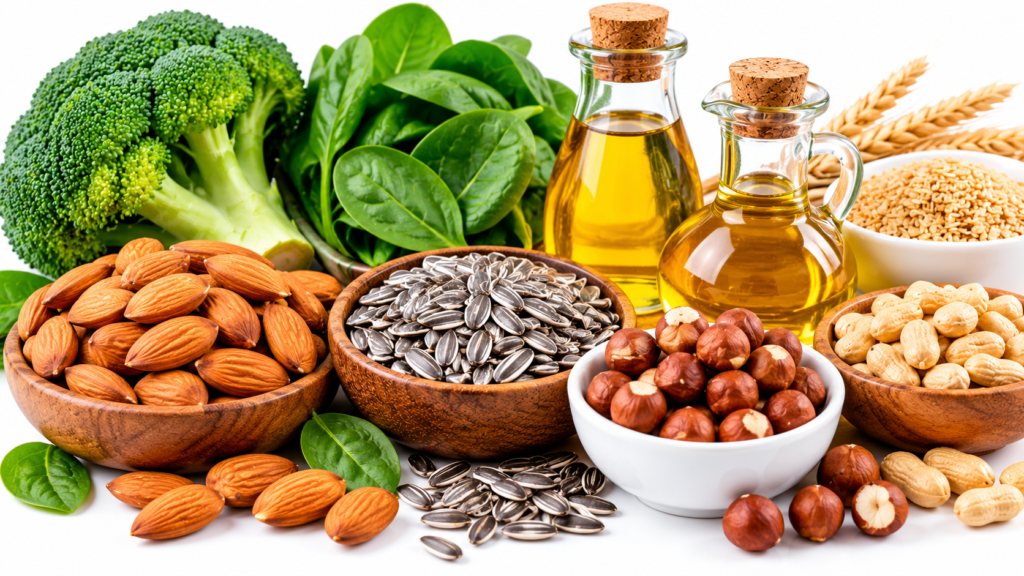
What Is Vitamin E and Why Does Your Body Need It?
Vitamin E is a fat-soluble vitamin. It acts as an antioxidant, helping protect cells from damage caused by free radicals. It also plays a role in normal immune function and other essential processes in the body.
Vitamin E is found naturally in nuts, seeds, vegetable oils, and some green vegetables. Certain fortified foods also contain it.
According to the US National Institutes of Health Office of Dietary Supplements, the recommended dietary allowance for adults is 15 milligrams of vitamin E per day. Individual requirements can vary with age and life stage. Read the NIH vitamin E fact sheet.
You can usually obtain vitamin E through a varied diet. Taking high-dose supplements without medical advice is not necessary for most people and may be harmful in certain circumstances.
Vitamin E in Almonds: The Nutritional Benchmark
Almonds are an excellent source of vitamin E. According to the NIH, one ounce (about 28 grams) of dry-roasted almonds contains approximately 6.8 mg of vitamin E, or about 45% of the Daily Value used in its fact sheet.
That makes almonds a convenient snack, but other foods can contribute to your daily intake too.
10 Foods to Consider for More Vitamin E Than Almonds
1. Wheat Germ Oil
Wheat germ oil is one of the richest dietary sources of vitamin E.
The NIH lists approximately 20.3 mg of vitamin E in one tablespoon of wheat germ oil. That is considerably more than the 6.8 mg found in one ounce of dry-roasted almonds.
Wheat germ oil is extracted from the germ of wheat grains. Because it is concentrated, a small amount can provide a substantial contribution to your daily vitamin E intake.
How to use it:
- Drizzle a small amount over prepared vegetables or other foods.
- Use it in dressings when the product is suitable for that purpose.
- Follow the manufacturer’s storage and cooking instructions.
Wheat germ oil is not usually the best choice for high-heat cooking. It is also derived from wheat, so people with wheat-related allergies or conditions requiring strict avoidance should check product suitability with a qualified professional.
Vitamin E comparison: About 20.3 mg per tablespoon, compared with 6.8 mg per ounce of almonds. These are different serving sizes, so this is a practical serving comparison rather than an equal-weight comparison.
2. Sunflower Seeds
Sunflower seeds are another excellent source of vitamin E. They are convenient, versatile, and easy to add to meals.
One ounce of dry-roasted sunflower seeds provides approximately 7.4 mg of vitamin E, slightly more than the 6.8 mg found in one ounce of dry-roasted almonds, according to the NIH.
Sunflower seeds also provide healthy fats and other nutrients, making them a useful addition to a balanced eating pattern.
How to eat them:
- Sprinkle them over salads.
- Add them to oatmeal or breakfast bowls.
- Mix them into homemade trail mix.
- Use a small amount as a topping for yogurt or other suitable foods.
Choose unsalted or lightly salted varieties if you are trying to reduce sodium intake.
Vitamin E comparison: About 7.4 mg per ounce of dry-roasted sunflower seeds versus 6.8 mg per ounce of dry-roasted almonds.
3. Sunflower Oil
Sunflower oil is a common cooking oil that also provides vitamin E.
The NIH lists approximately 5.6 mg of vitamin E per tablespoon of sunflower oil. This is a useful contribution from a relatively small amount, although the comparison with almonds is not equal by weight.
Sunflower oil can be used in cooking, dressings, and other recipes according to the product’s type and instructions. Different varieties have different fatty acid profiles and cooking characteristics.
How to use it:
- Use a suitable variety for everyday cooking.
- Measure the amount rather than pouring freely.
- Consider the overall balance of fats in your diet.
Oil is calorie-dense, so adding large amounts simply to increase vitamin E intake is generally unnecessary.
Vitamin E comparison: Approximately 5.6 mg per tablespoon. This is less than the vitamin E in a full ounce of almonds, but it can still contribute meaningfully to daily intake.
4. Safflower Oil
Safflower oil is another vegetable oil that provides vitamin E.
One tablespoon contains approximately 4.6 mg of vitamin E, according to the NIH fact sheet. It can contribute to your daily intake when used as part of a balanced diet.
Safflower oil is available in different varieties, and its cooking properties depend on the specific product. Check the label to understand which type you have.
How to use it:
- Use it in suitable cooking applications.
- Add a measured amount to dressings when appropriate.
- Include it as one of several fat sources rather than relying on one oil exclusively.
Although safflower oil is a source of vitamin E, one tablespoon contains less vitamin E than a typical one-ounce serving of almonds.
5. Hazelnuts
Hazelnuts provide vitamin E, healthy fats, and other nutrients. Their rich flavor makes them a useful option for people who want variety beyond almonds.
According to the NIH, one ounce of dry-roasted hazelnuts contains approximately 4.3 mg of vitamin E.
This is less than the amount in one ounce of almonds, but hazelnuts are still a nutritious option.
How to eat them:
- Enjoy a small handful as a snack.
- Add chopped hazelnuts to oatmeal.
- Sprinkle them over fruit or yogurt.
- Use them in homemade nut mixes.
Choose plain or lightly roasted varieties when possible, and be mindful of portion sizes because nuts are energy-dense.
Vitamin E comparison: About 4.3 mg per ounce. Hazelnuts are a useful alternative, but they do not exceed almonds in this standard serving comparison.
6. Peanut Butter
Peanut butter can help you obtain vitamin E while adding flavor and protein to meals.
The NIH lists approximately 2.9 mg of vitamin E in two tablespoons of peanut butter.
Its nutritional profile varies by product. Some varieties contain only peanuts, while others have added salt, sugar, or oils.
How to include it:
- Spread a moderate amount on whole-grain toast.
- Add it to oatmeal.
- Pair it with apple slices.
- Use it in a homemade sauce or dressing.
Check the ingredient list if you want to limit added sugar or salt. People with peanut allergies should avoid peanut products and follow their healthcare professional’s advice.
Peanut butter is a helpful vitamin E source, but two tablespoons contain less vitamin E than an ounce of almonds.
7. Peanuts
Peanuts are an affordable and widely available food that provides protein, unsaturated fats, and some vitamin E.
One ounce of dry-roasted peanuts contains approximately 2.2 mg of vitamin E, according to the NIH.
They are easy to include in a variety of meals and snacks.
Ways to enjoy peanuts:
- Eat a small portion as a snack.
- Add them to suitable vegetable dishes.
- Sprinkle crushed peanuts over salads.
- Use unsalted peanuts in a homemade snack mix.
Peanuts do not contain more vitamin E than almonds in an equal one-ounce serving, but they still contribute to a varied diet.
8. Spinach
Spinach is a leafy green vegetable that provides several nutrients, including vitamin E.
The NIH lists approximately 1.9 mg of vitamin E in half a cup of boiled spinach.
Spinach also supplies folate, vitamin K, and other nutrients. It is an easy way to add vegetables to meals, even though its vitamin E content per serving is lower than that of almonds.
How to include spinach:
- Add it to dal or vegetable dishes.
- Mix it into omelettes or other suitable meals.
- Use it in soups.
- Add fresh spinach to salads when appropriate.
For better overall nutrition, combine leafy greens with nuts, seeds, and other foods rather than relying on one ingredient alone.
9. Broccoli
Broccoli is another vegetable that contributes some vitamin E, alongside vitamin C, fiber, and other nutrients.
Half a cup of chopped, boiled broccoli provides approximately 1.2 mg of vitamin E, according to the NIH.
Although broccoli is not a higher-vitamin-E replacement for almonds in a typical serving, it can help increase the variety of nutrients in your meals.
Simple ways to eat broccoli:
- Steam it and serve it with lunch or dinner.
- Add it to vegetable stir-fries.
- Mix it into soups.
- Roast it with a modest amount of suitable cooking oil.
Avoid overcooking vegetables if you want to preserve their texture and overall eating quality.
10. Vitamin E-Fortified Breakfast Cereals
Some breakfast cereals have vitamin E added during manufacturing. Their vitamin content varies widely by brand and product.
Fortified cereals may help people increase their vitamin E intake, particularly when the product forms part of a balanced breakfast.
How to choose one:
- Check the nutrition label for vitamin E per serving.
- Compare the serving size with the amount you normally eat.
- Look at added sugar, sodium, and fiber as well.
- Choose a product that fits your overall dietary needs.
Not every cereal contains added vitamin E, and the amount can vary significantly. Do not assume a cereal contains more vitamin E than almonds without checking its nutrition label.
Vitamin E Content: Quick Comparison
The following figures are approximate values from the NIH Office of Dietary Supplements. The serving sizes differ, so they should not be interpreted as a ranking by equal weight.
| Food | Serving size | Vitamin E |
|---|---|---|
| Wheat germ oil | 1 tablespoon | 20.3 mg |
| Sunflower seeds, dry-roasted | 1 ounce | 7.4 mg |
| Almonds, dry-roasted | 1 ounce | 6.8 mg |
| Sunflower oil | 1 tablespoon | 5.6 mg |
| Safflower oil | 1 tablespoon | 4.6 mg |
| Hazelnuts, dry-roasted | 1 ounce | 4.3 mg |
| Peanut butter | 2 tablespoons | 2.9 mg |
| Peanuts, dry-roasted | 1 ounce | 2.2 mg |
| Spinach, boiled | ½ cup | 1.9 mg |
| Broccoli, boiled | ½ cup | 1.2 mg |
Source: NIH Office of Dietary Supplements — Vitamin E.
What does this comparison tell us? Wheat germ oil and sunflower seeds provide more vitamin E than a standard one-ounce serving of almonds. Several other foods listed here are useful sources, but they do not contain more vitamin E than almonds in the servings shown.
How Much Vitamin E Do You Need Every Day?
Vitamin E needs depend on age and life stage. According to the NIH, the recommended daily amount for most adults is 15 mg.
A varied diet can help you obtain vitamin E from multiple sources, such as:
- Nuts and seeds
- Suitable vegetable oils
- Green vegetables
- Foods fortified with vitamin E
You do not have to eat all ten foods listed in this article. Choose a combination that suits your food preferences, budget, and dietary needs.
For more details on vitamin E requirements, food sources, and supplements, consult the NIH Office of Dietary Supplements.
Tips to Get More Vitamin E From Your Diet
1. Add seeds to everyday meals
A small portion of sunflower seeds can add vitamin E to salads, breakfast bowls, or homemade snacks.
2. Eat a variety of nuts
Almonds, hazelnuts, and peanuts provide different combinations of nutrients. Rotate between suitable varieties to add variety to your diet.
3. Use oils in measured amounts
Vegetable oils can provide vitamin E, but they are calorie-dense. Use a sensible quantity rather than adding extra oil solely for its vitamin content.
4. Include green vegetables regularly
Spinach and broccoli contribute vitamin E alongside other nutrients. Combine them with other vegetables, protein sources, and whole grains for balanced meals.
5. Read nutrition labels
Fortified foods vary from product to product. Check the serving size and vitamin E amount rather than relying on general claims on the package.
6. Avoid unnecessary high-dose supplements
Most people should aim to meet their nutrient needs through food where possible. High-dose vitamin E supplements can increase bleeding risk, particularly for people taking certain medicines. Speak with a healthcare professional before taking supplements for a specific health concern.
Frequently Asked Questions
1. Which food has more vitamin E than almonds?
Wheat germ oil and sunflower seeds provide more vitamin E than one ounce of dry-roasted almonds in the NIH’s listed serving comparisons. Wheat germ oil is particularly concentrated in vitamin E.
2. Are sunflower seeds better than almonds for vitamin E?
In the NIH comparison, one ounce of dry-roasted sunflower seeds provides about 7.4 mg of vitamin E, while one ounce of dry-roasted almonds provides about 6.8 mg. Both are nutritious foods, and the difference should not be the only factor in choosing between them.
3. How much vitamin E do adults need daily?
The recommended daily amount for most adults is 15 mg. Individual needs may differ with age and life stage.
4. Is vitamin E good for skin health?
Vitamin E has antioxidant functions and is involved in normal body processes. However, eating a particular food or taking a supplement is not a guaranteed way to treat acne, remove wrinkles, or prevent skin conditions.
5. Can I get enough vitamin E from food?
Many people can meet their vitamin E needs through a varied diet containing nuts, seeds, vegetable oils, vegetables, and suitable fortified foods. Individual needs and absorption can differ, so seek medical advice if you are concerned about deficiency.
6. Is wheat germ oil suitable for cooking?
It is generally better suited to uses that do not involve high heat because it can be sensitive to heat and oxidation. Follow the manufacturer’s storage and usage instructions.
7. Can I take vitamin E supplements every day?
Supplements are not necessary for everyone. High doses can cause harm and may interact with medicines, including some that affect blood clotting. Consult a qualified healthcare professional before using high-dose supplements.
8. Do peanuts and hazelnuts contain more vitamin E than almonds?
Not in the NIH’s standard serving comparisons. An ounce of dry-roasted almonds provides about 6.8 mg, compared with approximately 4.3 mg from hazelnuts and 2.2 mg from peanuts.
Final Thoughts
Almonds are an excellent source of vitamin E, but they are not the only food worth including in your diet. Wheat germ oil and sunflower seeds are especially rich sources, while sunflower oil, safflower oil, hazelnuts, peanut butter, peanuts, spinach, broccoli, and fortified cereals can contribute additional vitamin E.
The key is to understand serving sizes and choose foods that fit your everyday meals. A varied diet is generally more useful than relying on one so-called superfood.
For most adults, the recommended daily amount is 15 mg. If you have a medical condition that affects nutrient absorption or are considering high-dose supplements, speak with a qualified healthcare professional.
Disclaimer: This article is for general educational purposes only and is not a substitute for personalized medical or nutritional advice. Nutrient values may vary by product, preparation, and serving size.
SHARING IS CARING 💖