
Have you ever received a blood test report showing high uric acid and wondered what it means for your health? You are not alone. Many people discover that their uric acid level is elevated during a routine health check, even when they feel perfectly fine.
Uric acid is a waste product that your body naturally produces when it breaks down substances called purines. Purines are found in your body’s cells and in many foods. Normally, uric acid dissolves in the blood, travels to the kidneys, and leaves the body through urine.
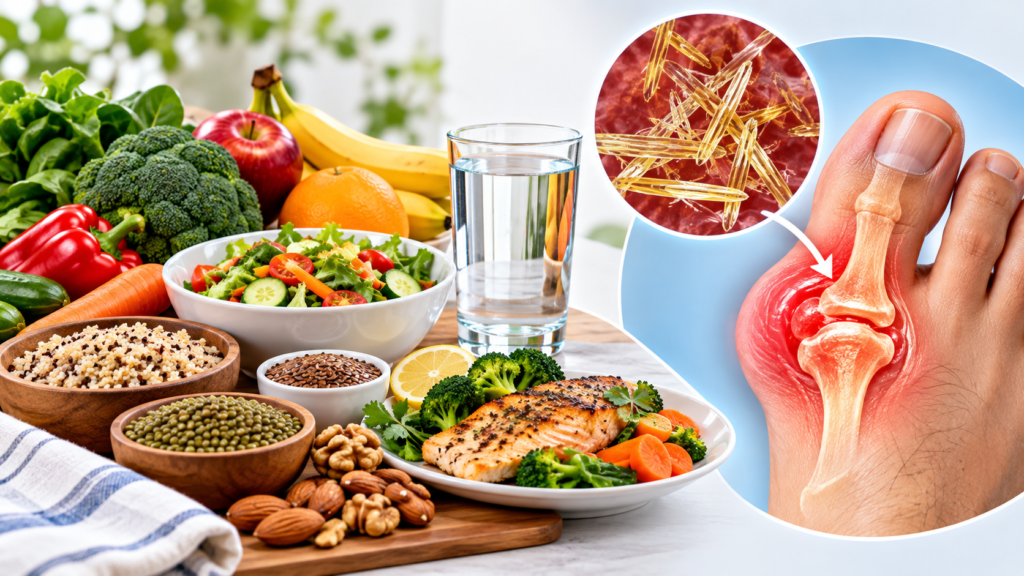
Problems can develop when your body produces too much uric acid or your kidneys cannot remove enough of it. This can cause a condition known as hyperuricemia, or high uric acid in the blood. In some people, excess uric acid forms tiny crystals in the joints, leading to gout, a painful form of arthritis. It can also contribute to certain types of kidney stones.
The good news is that appropriate food choices, healthy habits, medical monitoring, and treatment when necessary can help manage the condition. However, high uric acid does not always cause symptoms, and natural remedies alone may not be enough for everyone.
In this guide, we will explain the symptoms, common causes, foods to limit, healthier Indian food choices, and practical ways to manage high uric acid safely.
What Is Uric Acid?
Uric acid is a substance produced when the body breaks down purines. These compounds occur naturally in the body and are also present in foods such as certain meats and seafood.
Under normal circumstances, the kidneys filter uric acid from the blood, and the body removes it through urine. A smaller amount leaves the body through the digestive system.
When the balance between uric acid production and removal changes, the level in the blood can rise. This may happen because the body produces more uric acid than usual, the kidneys remove less than they should, or both.
An elevated result does not automatically mean you have gout or kidney disease. Some people have high uric acid without developing any noticeable health problems. Others may experience painful gout attacks or develop uric acid kidney stones.
For this reason, a blood test should be interpreted alongside your symptoms, medical history, medications, and other test results.
High Uric Acid Symptoms: What Should You Look For?
One important fact is that high uric acid may not cause any symptoms at all. Many people learn about it only after a blood test.
Symptoms are more likely when uric acid contributes to crystal formation in a joint or to certain kidney stones.
1. Sudden joint pain
A gout attack can cause sudden, intense pain in a joint. It often begins at night or in the early morning and may become severe within a short time.
The big toe is a common location, but gout can also affect the ankles, knees, wrists, fingers, and elbows.
The pain may be so uncomfortable that even a bedsheet touching the affected area feels unpleasant.
2. Swelling and redness
The affected joint may become swollen, red, warm, and extremely tender. The skin around it can look stretched or shiny.
These symptoms can resemble other conditions, including a joint infection. Do not assume that every painful or swollen joint is caused by high uric acid.
3. Repeated episodes of joint pain
Some people experience attacks that improve after several days and then return weeks or months later.
Although the pain may disappear between attacks, the underlying problem may remain. Repeated, untreated gout can eventually damage joints.
4. Stiffness and difficulty moving
During a gout flare, swelling and pain may make it difficult to walk, bend a knee, grip an object, or move the affected joint normally.
Long-standing, poorly controlled gout can sometimes cause firm lumps of urate crystals under the skin. These are called tophi and may develop around joints, fingers, elbows, or ears.
5. Possible kidney stone symptoms
High uric acid can contribute to uric acid kidney stones in some people. Kidney stones can cause severe pain in the side or back, pain that travels towards the lower abdomen or groin, blood in the urine, nausea, or difficulty passing urine.
These symptoms are not specific to uric acid stones. A medical evaluation is needed to determine the cause.
Important: Seek urgent medical attention if you develop a sudden, very painful, hot, swollen joint with fever or chills. A joint infection can be serious and should not be mistaken for gout.
What Causes High Uric Acid?
High uric acid usually develops because of a combination of factors rather than a single food or habit.
1. Reduced kidney removal
Your kidneys help remove uric acid from the body. When kidney function is reduced, uric acid may accumulate in the blood.
This is one reason doctors may review kidney function when a blood test shows elevated uric acid.
2. Eating too many high-purine foods
Purines are naturally present in many foods. Organ meats, some seafood, and certain meat products contain high amounts.
Eating these foods frequently or in large quantities may increase the risk of gout attacks in susceptible people. However, diet is only one part of the picture, and not everyone with high uric acid eats a high-purine diet.
3. Sugary drinks and excess added sugar
Regular consumption of sugar-sweetened beverages, particularly those containing large amounts of fructose, is associated with a higher risk of gout.
Soft drinks, energy drinks, sweetened packaged beverages, and frequent sugary drinks deserve particular attention.
Whole fruit is not the same as a sugary soft drink. Most people do not need to eliminate all fruit from their diet, but those with specific medical or dietary needs should follow individualized advice.
4. Alcohol consumption
Alcohol can increase the risk of gout attacks. Beer and spirits are particularly relevant, and alcohol may also contribute to dehydration or other health problems.
If you have gout or persistently elevated uric acid, discuss alcohol use with your healthcare professional.
5. Excess body weight
Being overweight or having obesity can increase the risk of high uric acid and gout. Gradual, sustainable weight management may help improve overall metabolic health.
Avoid crash diets, prolonged fasting for weight loss, and extreme weight-loss plans, which can trigger gout attacks in some people.
6. Certain health conditions
High uric acid is associated with several health conditions, including chronic kidney disease, high blood pressure, diabetes, and metabolic problems.
The relationship is not always straightforward. Having high uric acid does not prove that you have any of these conditions, and it does not mean uric acid is necessarily their cause.
7. Family history and genetics
Genetics influence how the body produces and removes uric acid. If close family members have gout, your own risk may be higher.
This is one reason some people develop gout even when they follow a balanced diet.
8. Certain medicines
Some medicines, including certain diuretics or water tablets, can raise uric acid levels. Other medicines may also affect uric acid or kidney function.
Do not stop a prescribed medicine on your own. If your test result is elevated, ask your doctor whether your medicines could be contributing and whether a safe alternative is appropriate.
9. Dehydration
Not drinking enough fluid can contribute to dehydration, which may increase the likelihood of a gout flare in susceptible people. Adequate hydration also matters for kidney stone prevention.
Your fluid needs depend on your activity, climate, kidney function, heart health, and other medical conditions.
High Uric Acid Foods to Avoid or Limit
Diet can help manage gout risk, but it is important to understand the difference between avoiding a food completely and limiting it.
For most people, the goal is to reduce frequent or excessive intake of foods and drinks that may trigger gout, while maintaining a balanced diet. A healthcare professional may recommend a more specific plan based on your test results, symptoms, kidney health, and other conditions.
1. Organ meats
Liver, kidney, and other organ meats are high in purines. If you have gout or high uric acid, it is generally sensible to avoid or significantly limit these foods.
2. Certain seafood
Some seafood contains substantial amounts of purines. Examples include sardines, anchovies, mussels, and certain shellfish.
You may not need to eliminate every type of fish. Ask your doctor or dietitian which choices and portions are suitable for you, especially if you also have kidney disease.
3. Large amounts of red meat
Beef, lamb, and pork can contribute to dietary purine intake. Consider smaller portions and avoid making red meat the main protein source at every meal.
You can rotate different protein sources, including suitable plant proteins, eggs, and dairy products, depending on your individual dietary needs.
4. Sugary soft drinks
Limit regular soft drinks and other beverages with added sugar. Water is usually a better everyday choice.
Packaged fruit drinks may contain added sugar even when their packaging features fruit images. Check the ingredient list and nutrition label.
5. Excess alcohol
Beer and spirits can raise the risk of gout attacks. If you have recurrent gout, reducing or avoiding alcohol may be advisable.
6. Frequent large portions of meat and seafood
Even when a food is not on a strict avoid list, portion size and frequency matter. A pattern of frequent, large servings may be less suitable than a varied, balanced diet.
7. Highly processed foods with excess sugar
Biscuits, desserts, sweetened breakfast products, and other packaged foods can add substantial amounts of sugar to the diet. You do not necessarily need to eliminate every treat, but keeping these foods occasional can support overall health.
A note about vegetarian foods: Lentils, beans, peas, and some vegetables contain purines, but that does not mean everyone with high uric acid should stop eating them. Plant-based foods can provide valuable fibre, vitamins, and protein. Avoid removing entire food groups without personalized medical advice.
What to Eat When You Have High Uric Acid
A balanced eating pattern is usually more helpful than focusing on one so-called miracle food.
1. Vegetables
Include a variety of vegetables such as carrots, cucumber, bottle gourd, pumpkin, tomatoes, green beans, and leafy vegetables as part of your meals.
Vegetables provide fibre and nutrients that support general health. You do not normally need to avoid all vegetables simply because some contain purines.
2. Whole fruits
Choose whole fruits such as apples, oranges, guava, pears, and other fruits you enjoy. Whole fruit provides fibre and nutrients.
Prefer whole fruit over frequent fruit juice or sweetened fruit drinks. If you have diabetes, kidney disease, or a prescribed dietary restriction, your suitable choices and portions may differ.
3. Low-fat milk and plain yoghurt
Low-fat dairy products can be useful sources of protein and calcium. Dairy foods are generally considered suitable options in gout-friendly eating patterns.
Choose plain yoghurt or unsweetened curd more often than heavily sweetened varieties.
4. Whole grains
Roti made with whole-wheat flour, oats, and other whole grains can form part of a balanced diet.
Portions should match your energy needs and any advice you have received for diabetes, kidney disease, or weight management.
5. Suitable plant-based proteins
Foods such as lentils, beans, peas, tofu, and other plant proteins can contribute to a nutritious diet. Their suitability and portions should be individualized if you have kidney disease or another condition requiring protein or mineral restrictions.
Do not assume a vegetarian diet is automatically low in purines, but do not unnecessarily remove nutritious plant foods either.
6. Eggs, when suitable
Eggs are a useful protein option for many people and are relatively low in purines. Whether they suit your overall diet depends on your medical history and personal nutritional needs.
7. Water and unsweetened drinks
Water is a good everyday drink for most people. Drinking enough fluid helps prevent dehydration and may support kidney stone prevention.
However, people with heart failure, advanced kidney disease, or a prescribed fluid restriction should follow their clinician’s advice rather than forcing themselves to drink large quantities.
How to Reduce High Uric Acid Naturally
Natural approaches can support better health and may reduce gout risk. They should not be treated as guaranteed cures or substitutes for prescribed medication.
1. Drink enough water
Keep water available throughout the day and drink regularly, especially during hot weather or after physical activity.
There is no single water target that is suitable for everyone. Your needs depend on your body, climate, activity level, and medical conditions.
If you have been told to restrict fluids, ask your healthcare professional how much you should drink.
2. Reduce sugary drinks
Replace regular soft drinks and heavily sweetened beverages with water or unsweetened alternatives more often.
This is a practical change that can reduce added sugar intake and support weight management.
3. Review your protein choices
Reduce frequent servings of organ meats and limit large portions of red meat and high-purine seafood. Rotate appropriate protein sources rather than relying on one type of food every day.
If you follow a vegetarian diet, you can discuss suitable portions of lentils, beans, dairy, eggs, and other protein foods with a qualified dietitian.
4. Work towards a healthy weight gradually
If you are overweight, gradual weight loss may help lower uric acid and improve related health risks.
Try regular meals, appropriate portions, and sustainable activity instead of crash diets. Rapid weight loss and fasting can trigger gout attacks in some people.
5. Exercise regularly
Walking, cycling, swimming, and other suitable activities can support weight management and cardiovascular health.
Start at a level that feels manageable and increase activity gradually. During an acute gout attack, avoid putting pressure on the affected joint and follow medical advice about rest and movement.
6. Limit alcohol if you have gout
Alcohol can trigger attacks in susceptible people. Discuss whether avoiding it completely is appropriate for you, especially if you have recurrent flares or other health conditions.
7. Get enough sleep and maintain regular routines
Sleep does not directly cure high uric acid, but regular sleep and healthy daily routines can make it easier to maintain balanced meals, physical activity, and long-term weight management.
8. Review your blood test with a doctor
Do not rely only on symptoms to judge whether uric acid is improving. Your doctor can interpret the result alongside kidney function, other medical conditions, and any history of gout or kidney stones.
If your levels remain elevated, ask whether further evaluation or treatment is needed.
9. Take prescribed treatment when necessary
Lifestyle changes are valuable, but some people need medication to control uric acid and prevent recurrent gout or complications.
Medicines such as allopurinol may be prescribed for appropriate patients. The choice, dose, and monitoring plan depend on your medical situation.
Do not start, stop, or change uric acid medication without advice from your healthcare professional.
A Simple Indian Diet Pattern for Managing High Uric Acid
The following is an example of a balanced day of meals, not a medical prescription. Adjust portions and ingredients to your nutritional needs, cultural preferences, allergies, and any advice for diabetes or kidney disease.
| Meal | Example choices |
|---|---|
| Early morning | Water, if appropriate for your fluid needs |
| Breakfast | Vegetable poha, oats, or whole-wheat toast with an egg if suitable |
| Mid-morning | A serving of whole fruit |
| Lunch | Roti or rice, cooked vegetables, and a suitable portion of dal, curd, or another protein |
| Evening snack | Unsalted nuts in a suitable portion or another balanced snack |
| Dinner | Roti or rice with vegetables and a suitable protein source |
| Throughout the day | Water or unsweetened drinks as appropriate |
Foods and habits to emphasize
- Eat a variety of vegetables and whole fruits.
- Prefer whole grains and balanced portions.
- Include suitable protein sources.
- Reduce sugary beverages and excessive added sugar.
- Limit organ meats, large portions of red meat, and high-purine seafood if you have gout.
- Avoid crash diets and prolonged fasting for rapid weight loss.
- Follow personalized advice if you have kidney disease or fluid restrictions.
There is no single Indian diet chart that works for everyone. A dietitian can tailor meals to your blood test results, medical history, budget, and food preferences.
What Is the Normal Uric Acid Range?
Uric acid is measured through a blood test, often called a serum uric acid or serum urate test. The laboratory report usually provides a reference range.
Reference ranges can differ between laboratories and may vary according to the testing method and the population being assessed. Therefore, it is best to read your result using the range printed on your own report and discuss it with your healthcare professional.
A high result does not by itself confirm gout. Likewise, a uric acid result that falls within the laboratory range does not always rule out gout in someone with typical symptoms.
For people who are being treated for gout, doctors may use a specific urate target to guide treatment. That treatment target is not the same as a general laboratory reference range.
Do not diagnose or treat yourself based on a number alone. Your symptoms, kidney function, medication history, and previous gout attacks all matter.
Can High Uric Acid Be Cured Permanently?
There is no single answer for everyone. Uric acid levels can improve when contributing factors are addressed, but the long-term outcome depends on the underlying cause, genetics, kidney function, medications, and whether gout or kidney stones have developed.
Some people can manage their risk with lifestyle changes and monitoring. Others need ongoing treatment to prevent repeated gout attacks and joint damage.
If you have been prescribed uric acid-lowering medicine, do not stop taking it just because your pain has disappeared or a later test looks better. Speak with your doctor before making any changes.
When Should You See a Doctor?
Arrange a medical review if your blood test shows elevated uric acid, especially if the result remains high or you have other medical conditions.
Seek prompt medical advice if you experience:
- A first episode of sudden, severe joint pain.
- Repeated episodes of joint swelling or redness.
- Persistent pain that affects walking or everyday activities.
- Symptoms that may indicate kidney stones, such as severe side or back pain or blood in the urine.
Seek urgent care if a hot, swollen joint occurs with fever or chills, or if you have severe flank pain with vomiting, difficulty passing urine, or significant bleeding in the urine.
These symptoms can have causes that require urgent treatment.
Frequently Asked Questions About High Uric Acid
1. What is the main cause of high uric acid?
High uric acid can result from the kidneys removing less uric acid than the body produces, increased production, genetics, certain medicines, health conditions, and dietary or lifestyle factors. The main cause varies from person to person.
2. What are the first symptoms of high uric acid?
Many people have no symptoms. When uric acid contributes to gout, the first noticeable problem may be sudden pain, swelling, warmth, and redness in a joint, often the big toe.
3. Which foods should I avoid if my uric acid is high?
If you have gout, it is generally sensible to limit organ meats, excessive red meat, certain high-purine seafood, alcohol, and sugary drinks. Your personal diet may need adjustment depending on kidney health and other medical conditions.
4. Is dal bad for high uric acid?
Not necessarily. Lentils and other legumes contain purines, but they also provide protein, fibre, and nutrients. Many people with gout can include plant proteins in a balanced diet. Ask your clinician or dietitian for individualized advice, particularly if you have kidney disease.
5. Can drinking water reduce uric acid?
Adequate hydration helps prevent dehydration and can support kidney stone prevention. However, drinking extra water is not a guaranteed way to normalize blood uric acid or treat gout. Follow medical advice if you have a fluid restriction.
6. Which fruit is best for high uric acid?
No single fruit is a cure. Whole fruits such as apples, oranges, pears, and guava can fit into a balanced diet for many people. Whole fruit is generally preferable to frequent sugary drinks or large quantities of juice.
7. Does lemon water reduce uric acid?
Lemon water can be a refreshing way to drink more fluid if it suits you, but there is not enough evidence to treat it as a reliable cure for high blood uric acid. It should not replace medical treatment.
8. Can high uric acid cause knee pain?
It can. Gout may affect the knee as well as the big toe, ankle, wrist, or other joints. However, knee pain has many possible causes, so a healthcare professional should evaluate new or severe symptoms.
9. Can high uric acid cause kidney stones?
High uric acid can contribute to uric acid stones in some people. Kidney stones have different types and causes, so testing and individualized advice are important.
10. Can walking help manage high uric acid?
Regular, suitable physical activity supports overall health and healthy weight management, which may help reduce gout risk. During a painful flare, rest the affected joint and follow your doctor’s guidance.
11. Should I stop taking my medicine if my uric acid level becomes normal?
No—not without speaking to your prescribing clinician. Some people need ongoing treatment to maintain uric acid at a target level and prevent future attacks.
12. How quickly can uric acid levels come down?
The time varies according to the cause, starting level, kidney function, diet, and treatment. Lifestyle changes alone may not be enough. Your clinician can recommend when to repeat testing and whether medication is needed.
Final Thoughts
High uric acid is common, but it should not be ignored when it is persistent or accompanied by symptoms. The first step is understanding your blood test result and whether you have gout, kidney stones, or another condition that needs attention.
A balanced diet, adequate hydration when appropriate, reduced intake of sugary drinks, moderation of high-purine animal foods, regular physical activity, and gradual weight management can all support better health. However, no single food, drink, or home remedy can guarantee that uric acid will return to normal.
If your level is high, work with a qualified healthcare professional to identify possible causes and decide whether monitoring, lifestyle changes, or medication is appropriate.
Medical disclaimer: This article is for general educational purposes only. It does not replace a diagnosis or personalized medical advice. Consult a qualified healthcare professional for interpretation of blood test results, dietary restrictions, or treatment decisions.
SHARING IS CARING 💖