
Fasting can be a meaningful way to practice faith, discipline, gratitude, or personal reflection. But if you have ever felt hungry, tired, or thirsty halfway through a fast, you know that choosing the right foods can make a real difference to your day.
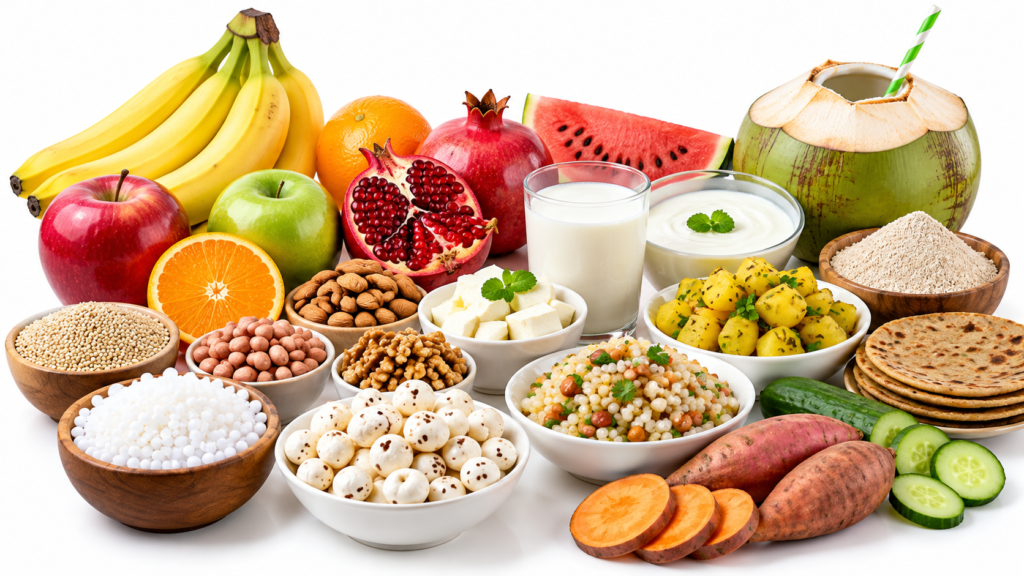
The good news is that fasting does not have to mean eating the same plain food every time. Depending on the type of fast you follow, you may be able to enjoy fresh fruits, nuts, dairy products, potatoes, sweet potatoes, traditional vrat foods, and other nourishing options.
If you are wondering what to eat during a fast, this guide shares 25 food ideas that can help you plan satisfying meals and snacks. You will also learn what to drink, which foods may leave you feeling uncomfortable, and how to prepare for a fast more thoughtfully.
Important: Fasting rules are not the same for everyone. Some religious fasts allow food and water, some permit only specific ingredients, and others prohibit all food and drink for a set period. Choose foods that fit your own fasting practice.
Why Does Choosing the Right Food Matter During Fasting?
When your usual eating pattern changes, it becomes important to make the food you can eat count. A meal made up only of sweets or fried snacks may be enjoyable, but it might not provide the variety of nutrients your body needs.
A more balanced approach can include carbohydrates for energy, protein to support the body, healthy fats, and fibre from suitable foods. Fluids also matter whenever your fast permits drinking.
For example, a bowl of curd with fruit and nuts may provide a different nutritional balance from a plate of fried potatoes alone. The best choice depends on your dietary needs, the duration of your fast, and the foods allowed by your tradition.
25 Best Foods to Eat During a Fast
The following foods are ideas for fasting periods in which eating is permitted. For Hindu vrat or Navratri, check which ingredients your particular tradition allows. For Ramadan, intermittent fasting, or other fasting practices, use the options that fit your eating window and rules.
1. Bananas
Bananas are convenient, easy to carry, and simple to eat when you need something quick. They provide carbohydrates and potassium, making them a practical option for many people.
How to eat them: Enjoy a banana on its own, pair it with a little peanut butter if permitted, or add slices to a bowl of curd.
2. Apples
Apples provide fibre and make a refreshing snack. Their crisp texture can also make them satisfying when you want something light rather than a heavy meal.
How to eat them: Wash and eat a whole apple, or combine apple pieces with a few nuts.
3. Papaya
Papaya is a soft, naturally sweet fruit that can be a pleasant addition to a fasting meal. It also provides fibre and vitamin C.
How to eat it: Serve a bowl of fresh papaya as a snack or alongside other permitted foods.
4. Watermelon
When water is allowed, watermelon can contribute to fluid intake because it contains a high proportion of water. It is especially refreshing in warm weather.
How to eat it: Have fresh watermelon pieces during an allowed eating period. Remember that fruit contributes to hydration but does not replace drinking water when water is permitted.
5. Oranges
Oranges provide vitamin C, water, and some fibre when eaten whole. They can add freshness and variety to a fasting menu.
How to eat them: Eat a whole orange rather than relying only on juice, which generally contains less fibre per serving.
6. Pomegranate
Pomegranate seeds add colour, texture, and a naturally sweet-tart flavour to meals. They also provide fibre and plant compounds.
How to eat them: Sprinkle the seeds over fruit chaat or eat them as a small snack.
7. Coconut Water
Coconut water contains fluid and naturally occurring electrolytes, including potassium. It can be a useful drink when your fasting rules allow it.
How to drink it: Choose plain coconut water and check the label if you buy a packaged product. It is not suitable during a strict fast that prohibits drinking.
8. Curd or Plain Yogurt
Curd provides protein and calcium, although the exact amount depends on the product. It can be a cooling addition to meals and may pair well with fruit or permitted grains.
How to eat it: Try plain curd with fruit or a simple curd-based dish made using ingredients allowed during your fast.
9. Milk
Milk provides protein, calcium, and fluid. For people who tolerate dairy and whose fasting rules allow it, it can be part of a snack or meal.
How to use it: Drink a glass of milk or prepare a simple milk-based dish without adding excessive sugar.
10. Paneer
Paneer is a source of protein and can make a meal more filling. Its suitability depends on whether dairy is allowed during your particular fast.
How to eat it: Prepare lightly cooked paneer with permitted spices, or serve it alongside vegetables allowed by your fasting tradition.
11. Almonds
Almonds provide healthy unsaturated fats, some protein, and fibre. Because nuts are energy-dense, a small portion can be enough for a snack.
How to eat them: Have a small handful, either plain or with fruit. Soaking is optional; it is not necessary for everyone.
12. Walnuts
Walnuts provide unsaturated fats, including the plant-based omega-3 fat ALA. They add richness to a small snack without requiring cooking.
How to eat them: Enjoy a few walnuts with fruit or mix them into a permitted snack.
13. Peanuts
Peanuts provide protein, fat, and energy. They are commonly used in some Indian vrat preparations, but always check whether they are permitted in your tradition.
How to eat them: Use a modest portion of roasted peanuts or add them to a suitable fasting recipe.
14. Makhana (Fox Nuts)
Makhana is a popular ingredient in many Indian fasting kitchens. It can be roasted for a crunchy snack or used in milk-based dishes.
How to eat it: Dry-roast or lightly roast makhana with a small amount of ghee and permitted seasonings. Keep added salt and fat moderate.
15. Potatoes
Potatoes provide carbohydrates and can be useful when you need a substantial fasting meal. The preparation method matters: deep-frying them can add a large amount of fat.
How to eat them: Try boiled potatoes, lightly sautéed jeera aloo, or a simple potato dish prepared with permitted ingredients.
16. Sweet Potatoes
Sweet potatoes provide carbohydrates, fibre, and beta-carotene. They offer a different flavour and texture from ordinary potatoes.
How to eat them: Boil, steam, or roast them, then add seasonings permitted by your fasting rules.
17. Kuttu (Buckwheat)
Kuttu flour is used in a variety of Indian vrat recipes. It provides carbohydrates and some protein and can help add variety to meals.
How to eat it: Prepare kuttu roti or another traditional recipe using ingredients allowed by your particular observance.
18. Rajgira (Amaranth)
Rajgira is another popular ingredient in some Indian fasting traditions. It can be used in flour-based dishes, porridge, and certain sweets.
How to eat it: Try rajgira porridge or a simple rajgira roti, depending on your tradition and meal preferences.
19. Samak Rice (Barnyard Millet)
Samak rice, often called vrat rice, is used as a grain substitute in some Indian fasting meals. It can provide variety when ordinary grains are avoided.
How to eat it: Prepare samak khichdi or a simple pulao with permitted vegetables and seasonings.
20. Sabudana (Tapioca Pearls)
Sabudana is a familiar ingredient in many Indian fasting recipes. It is rich in carbohydrates and can provide energy, although it is relatively low in protein and fibre on its own.
How to eat it: Make sabudana khichdi with peanuts if permitted. Pair it with curd or another suitable protein source when your fasting rules allow.
21. Singhara (Water Chestnut) Flour
Singhara flour is used in some traditional vrat dishes. It can provide an alternative to regular wheat flour when that is excluded from the fast.
How to eat it: Use it to prepare a simple roti, cheela, or another traditional dish appropriate for your fasting practice.
22. Cucumber
Cucumber has a high water content and can be refreshing when raw vegetables are allowed. It is also an easy way to add crunch to a meal.
How to eat it: Enjoy cucumber slices on their own or make a simple salad with other permitted ingredients.
23. Bottle Gourd (Lauki)
Bottle gourd is a mild vegetable that can be cooked into a light dish. Whether it is allowed during a fast depends on your tradition.
How to eat it: Cook it with permitted spices and a moderate amount of oil or ghee.
24. Dates
Dates provide carbohydrates, fibre, and naturally occurring sugars. They are traditionally used to break the fast in Ramadan and can also be included in other eating patterns when appropriate.
How to eat them: Have a modest serving during an allowed eating period. People who need to monitor their blood glucose should consider portion size and follow their clinician’s advice.
25. Oats or Whole Grains
For intermittent fasting or eating windows in which ordinary grains are allowed, oats and whole grains can provide carbohydrates and fibre. They may not be permitted during certain religious fasts.
How to eat them: Prepare oatmeal with milk or yogurt, and add fruit and nuts if suitable for your diet.
What Should You Drink During a Fast?
The right drinks depend on the rules of your fast. If you are allowed to drink fluids, water is usually the simplest choice. Other options may include plain milk, coconut water, or soup during permitted eating periods.
For fasts that prohibit water during certain hours, such as Ramadan daytime fasting, plan to drink regularly during the hours when drinking is allowed. Spread your fluid intake across that period instead of trying to drink a very large amount at once.
Keep these practical points in mind:
- Drink water regularly when permitted.
- Include water-rich fruits and vegetables during eating periods.
- Limit sugary drinks if they displace more nourishing food.
- Avoid excessive caffeine if it worsens your sleep, thirst, or discomfort.
- In hot weather, reduce strenuous activity if you feel overheated or dehydrated.
There is no single fluid target that suits everyone. Your needs can vary with weather, activity, body size, health, and the length of the fast.
What Foods Should You Avoid or Limit During Fasting?
You do not necessarily need to avoid every treat during a fast. However, some choices can make it harder to feel comfortable or get a good balance of nutrients.
1. Too Many Deep-Fried Snacks
Foods such as fried vrat potatoes, pakoras, and sabudana vadas can be enjoyable, but eating large quantities may leave you feeling heavy. Try baked, steamed, boiled, or lightly sautéed alternatives when practical.
2. Excessive Sweets
Sugary drinks, sweets, and desserts can add a lot of sugar without providing much protein or fibre. Enjoy them in moderation rather than making them the main part of your fasting meals.
3. Very Salty Foods
Excessively salty snacks can increase thirst, particularly before a period when you will not be able to drink. Use salt according to your dietary needs and fasting rules.
4. Large Meals Eaten Too Quickly
After several hours without food, it can be tempting to eat a large meal immediately. Starting with a moderate portion, eating slowly, and pausing before taking more may help reduce discomfort.
5. Foods That Break Your Particular Fast
This is especially important during religious observances. Some traditions restrict grains, certain vegetables, animal products, or all food and drink for particular periods. A food that is acceptable for one person may not be acceptable for another person’s fast.
Sample Fasting Meal Plan
Here is a simple example for a day of Hindu vrat in which fruits, dairy, nuts, and selected fasting ingredients are allowed. Adjust it to match your own tradition, appetite, and health needs.
| Time | Food idea |
|---|---|
| Morning | Banana or apple with water, if permitted |
| Breakfast | Curd with fruit and a few nuts |
| Lunch | Samak rice or a kuttu-based dish with a permitted vegetable |
| Afternoon snack | Roasted makhana or a small portion of peanuts |
| Evening | Coconut water or fresh fruit, if allowed |
| Dinner | Sweet potato or potato with curd or paneer, if permitted |
This is an example, not a required fasting schedule. You do not need to eat at every listed time, and you should not force yourself to follow a meal plan that conflicts with your religious practice or medical needs.
For Ramadan, intermittent fasting, or a fast that restricts both food and water during certain hours, the timing and meal choices should be adapted accordingly.
How to Stay Full and Energized While Fasting
A few small decisions can make fasting more manageable.
Combine food groups when allowed. Pair carbohydrates with protein, healthy fats, or fibre. For example, curd with fruit and nuts may be more balanced than fruit juice alone.
Prepare food in advance. Wash fruit, portion nuts, and prepare permitted ingredients before the fast begins. Planning can reduce the temptation to rely only on packaged snacks.
Avoid making every meal a fried meal. Rotate between boiled, roasted, steamed, and lightly cooked dishes to keep your menu varied.
Get enough rest. Changes to sleep schedules can affect how you feel during a fast. Aim for adequate rest and adjust strenuous activity to your circumstances.
Listen to your body. Persistent dizziness, fainting, confusion, severe weakness, or other concerning symptoms should not be ignored. Stop and seek appropriate medical help if you feel seriously unwell.
Who Should Seek Medical Advice Before Fasting?
Fasting is not suitable for everyone in every circumstance. People with diabetes, kidney disease, a history of eating disorders, or other medical conditions may need individual advice. People who are pregnant or breastfeeding, children, older adults who are frail, and people taking medicines that depend on food or fluid intake should discuss fasting with a qualified healthcare professional where appropriate.
Do not stop prescribed medicine or change its timing on your own to accommodate a fast. A clinician can help you understand the safest approach for your circumstances.
Frequently Asked Questions About What to Eat During a Fast
1. What is the best food to eat during a fast?
There is no single best food for every fast. Depending on what is permitted, useful options may include fruit, nuts, curd, milk, potatoes, sweet potatoes, and suitable grains. Aim for variety rather than relying on one food.
2. Which foods help you stay full longer during fasting?
Foods containing protein, fibre, and fat may help you feel satisfied. When allowed, try curd with nuts, fruit with peanut butter, or a balanced meal containing permitted grains and dairy or other protein sources.
3. Can I eat bananas during a fast?
Bananas are suitable for many fasts that allow food, but they are not allowed during every type of fast. Check your own fasting rules first.
4. Can I drink water while fasting?
It depends on the fast. Some fasts allow water throughout, while others restrict all food and drink during particular hours. Follow the rules of your observance and plan hydration during permitted hours.
5. What can I eat during Navratri fasting?
Depending on your family or regional tradition, options may include fruit, makhana, sabudana, kuttu, rajgira, samak rice, potatoes, sweet potatoes, curd, and peanuts. Ingredient rules vary, so confirm what is acceptable for your vrat.
6. Is sabudana good for fasting?
Sabudana is a source of carbohydrates and is commonly eaten during Indian vrat. Since it is relatively low in protein and fibre, consider pairing it with permitted ingredients such as peanuts or curd to create a more balanced meal.
7. What should I eat before a long fast?
If your fast includes a meal before a period without food, choose a balanced meal with suitable carbohydrates, protein, and fibre, and drink fluids if permitted. The precise choices depend on the rules and length of the fast.
8. What should I eat after breaking a fast?
Start with a comfortable portion of food and eat slowly. Depending on your fast, fruit, soup, dates, curd, or a balanced meal may be appropriate. Avoid rushing into a very large meal if you are feeling uncomfortable.
9. Can I eat sweets during fasting?
Some fasting traditions allow certain sweets, while others restrict them. Even when sweets are allowed, moderation can help keep your meals varied and balanced.
10. Is fasting safe for everyone?
No. Some medical conditions, medicines, pregnancy-related circumstances, and other factors can make fasting risky. Seek advice from a qualified healthcare professional if you are unsure whether fasting is appropriate for you.
Final Thoughts
Knowing what to eat during a fast can help you plan meals that fit your beliefs, preferences, and everyday routine. Fruits, nuts, dairy products, selected grains, and traditional vrat foods can all be useful options when they are permitted.
The most important thing is to choose foods thoughtfully, stay hydrated when your fast allows it, and avoid pushing through symptoms that may signal a health problem. A good fasting plan should respect both your spiritual or personal goals and your well-being.
Disclaimer: This article is for general educational purposes and is not personalised medical or nutrition advice. Fasting practices vary, and food suitability depends on individual health and religious rules. Consult a qualified healthcare professional if you have a medical condition, take medication, or are unsure whether fasting is safe for you.
SHARING IS CARING 💖