
Introduction: The Pain of Realizing Too Late
There is a particular kind of sadness that many people experience at some point in life.
It is the sadness of looking back and realizing that someone who once occupied an important place in our lives is no longer there.
Perhaps it was a friend who always listened.
A parent who quietly sacrificed for us.
A partner who loved us deeply.
Or someone who simply made life feel easier and more meaningful.
At the time, their presence seemed ordinary.
We assumed they would always be there.
Then life changed.
People drifted apart. Relationships ended. Circumstances changed. Time passed.
And one day, often unexpectedly, we realize something painful:
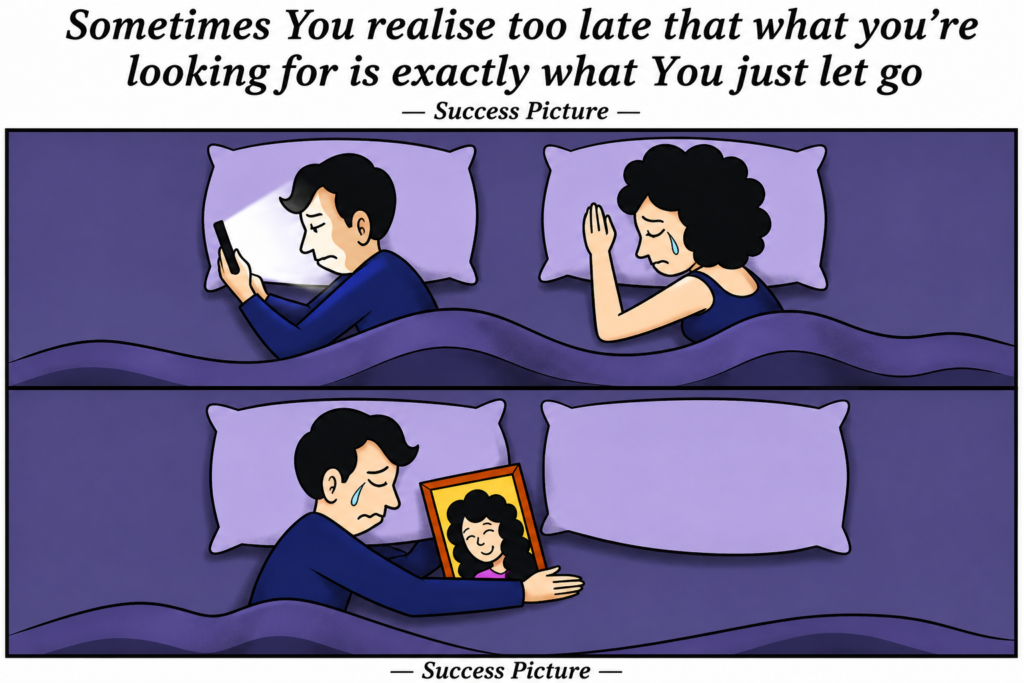
The person we miss the most may be the very person we once let go.
This experience is deeply human.
It is not limited by age, culture, or background.
Almost everyone has experienced some version of this realization.
The psychology behind it is both fascinating and heartbreaking.
Why do people often recognize someone’s value only after losing them?
Why do memories become stronger after someone is gone?
And how can we learn from these experiences instead of remaining trapped by regret?
The Human Tendency to Take Good Things for Granted
Human beings adapt quickly.
Psychologists sometimes refer to this tendency as adaptation.
We become accustomed to the people and circumstances around us.
A loving parent checking on us every day.
A friend always answering our messages.
A partner who consistently supports us.
Because these actions happen repeatedly, our minds start seeing them as normal.
We stop noticing the extraordinary value hidden inside ordinary moments.
Until one day those moments disappear.
Suddenly:
The messages stop.
The calls become memories.
The empty chair at dinner feels different.
Their absence becomes louder than their presence ever seemed.
A Real-Life Example: The Friend Who Was Always There
Imagine two friends who have known each other since school.
One friend is constantly supportive.
He listens during difficult times, celebrates achievements, and offers help without expecting anything in return.
Over time, the other friend becomes busy.
Work responsibilities increase.
New relationships develop.
Communication slowly fades.
The friendship is unintentionally neglected.
Years later, during a difficult period of life, the person suddenly remembers that friend.
They think about all the times they received support.
They realize something painful:
That friendship had been one of life’s greatest gifts.
Stories like this happen every day.
Not because people are intentionally careless.
But because human beings often underestimate what they already have.
Why Absence Makes People More Valuable
Psychologists have long observed something interesting.
People often appreciate things more after losing them.
Absence changes perspective.
When someone is present, we notice imperfections.
When someone is gone, we often remember:
Their kindness.
Their loyalty.
Their patience.
Their laughter.
Their encouragement.
Memories become emotionally powerful because they remind us not only of the person but also of how we felt around them.
We miss the connection.
We miss the comfort.
We miss the version of ourselves that existed in their presence.
The Psychology of Regret
Regret is one of the most powerful human emotions.
Regret usually involves thinking:
“I should have appreciated them more.”
“I should have called.”
“I should have apologized.”
“I should have spent more time with them.”
Unlike mistakes that can easily be corrected, lost relationships often involve uncertainty.
Some people never return.
Some relationships cannot be rebuilt.
This uncertainty makes regret especially painful.
However, regret also serves an important purpose.
It teaches us.
It reveals what truly matters.
It reminds us that relationships deserve attention and care.
Love Is Often Quiet
One reason people fail to recognize meaningful relationships is because love is not always dramatic.
Real love often looks ordinary.
A parent asking whether you have eaten.
A friend checking on your mental health.
A partner remembering small details.
A sibling helping during difficult times.
These moments may seem small.
But over time, they become the foundation of emotional security.
Ironically, because genuine love often appears in simple forms, it is sometimes overlooked.
We search for extraordinary experiences while ignoring extraordinary people.
The Illusion of Unlimited Time
Another psychological reason people take relationships for granted is the assumption that there will always be more time.
We believe:
“We’ll meet next month.”
“I’ll call them tomorrow.”
“We’ll reconnect later.”
But life rarely follows perfect schedules.
People move.
Relationships change.
Priorities shift.
Unexpected events occur.
The future we assume exists may never arrive.
This realization explains why so many people carry regrets.
They were not unwilling to appreciate someone.
They simply believed there would be another opportunity.
The Modern World and Lost Connections
Today’s world offers more ways to communicate than ever before.
Yet many people feel lonelier.
Technology has made connection easier but meaningful relationships more difficult to maintain.
People often:
Scroll instead of talking.
Text instead of visiting.
React instead of listening.
Stay busy instead of being present.
As a result, relationships slowly weaken.
Then one day people wonder:
“When did we become strangers?”
The answer is usually simple.
Relationships rarely disappear overnight.
They fade gradually through neglect.
Why We Miss People More During Difficult Times
Many individuals realize the importance of certain relationships during periods of struggle.
When life becomes difficult, people crave:
Understanding.
Comfort.
Support.
Encouragement.
This emotional need often causes memories of meaningful relationships to resurface.
We remember who stood beside us.
Who believed in us.
Who made us feel safe.
Pain often reveals priorities.
Difficult moments remind us that relationships matter more than many material achievements.
The Hidden Lesson Inside Regret
Although regret hurts, it can also become a powerful teacher.
Regret teaches us:
Value people while they are present.
Express appreciation.
Communicate openly.
Spend time intentionally.
Repair misunderstandings.
Protect meaningful relationships.
Painful experiences often change people permanently.
Someone who loses an important relationship frequently becomes more grateful and emotionally aware.
In this way, regret can create wisdom.
Learning to Appreciate People in Real Time
One of life’s greatest skills is appreciating people before circumstances force appreciation upon us.
Simple actions can strengthen relationships:
Send the message.
Make the call.
Say thank you.
Offer encouragement.
Spend quality time together.
Apologize when necessary.
Express love openly.
These actions may seem small.
But they become memories that people carry for years.
Not Every Lost Connection Can Be Restored
An important truth must also be accepted.
Some relationships cannot return to what they once were.
People change.
Life moves forward.
Circumstances evolve.
Acceptance becomes necessary.
Healing does not always mean recovering what was lost.
Sometimes healing means carrying the lessons forward.
It means becoming more present.
More appreciative.
More intentional.
More grateful.
The people we lose often continue teaching us long after they are gone.
ALSO READ…
- Japan’s Success Story: How a Nation Rose from Ruins to Become a Global Power
- MS Dhoni Success Story: How Jersey Number 7 Became a Symbol of Leadership, Success, and Cricket Greatness
- Smriti Mandhana Success Story: How India’s Cricket Queen Became a Global Sports Icon
- Lionel Messi Success Story 2026: Age, Net Worth, Goals, and How He Became Football’s Greatest Legend
- Algeria National Football Team Success Story: How the Desert Warriors Became a Symbol of Pride, Passion, and Football Excellence
The Greatest Regret in Life
Studies on happiness and well-being consistently show something remarkable.
Near the end of life, many people regret neglected relationships more than failed ambitions.
They rarely wish they had spent more hours working.
Instead, they wish they had:
Spent more time with loved ones.
Called friends more often.
Expressed gratitude.
Maintained important relationships.
This reality reveals something profound.
Human beings are deeply relational.
Success matters.
Achievement matters.
But relationships often give those achievements meaning.
Conclusion: Appreciate People Before They Become Memories
Sometimes we realize too late that we let go of the people we needed most.
That realization can be painful.
But it can also become transformational.
Every relationship teaches us something.
Every meaningful connection leaves an imprint on our lives.
And every moment spent with someone we care about is more valuable than we often realize.
The greatest lesson is simple:
Do not wait until absence teaches you someone’s worth.
Appreciate people while they are still part of your story.
Send the message.
Make the call.
Spend the time.
Express your gratitude.
Because one day, the people surrounding you now may become memories.
And the memories we treasure most are often the people we once thought would always be there.
SHARING IS CARING 💖