
Introduction: A Beautiful Tree Can Become an Expensive Mistake
Planting a tree is one of the best investments you can make for your home.
Trees provide shade, improve air quality, attract birds, reduce noise, and make outdoor spaces more beautiful. A mature tree can even increase property value and create a peaceful environment for your family.
However, not every tree is suitable for every yard.
Many homeowners choose trees based solely on appearance. A fast-growing tree with attractive leaves may seem like the perfect addition to the landscape. Years later, that same tree can cause cracked foundations, damaged pipes, blocked drains, falling branches, and expensive repairs.
Experts often say that the right tree planted in the wrong location can become one of the costliest landscaping mistakes a homeowner can make.
Planting a tree is not only about today. It is about thinking ten, twenty, or even fifty years into the future.
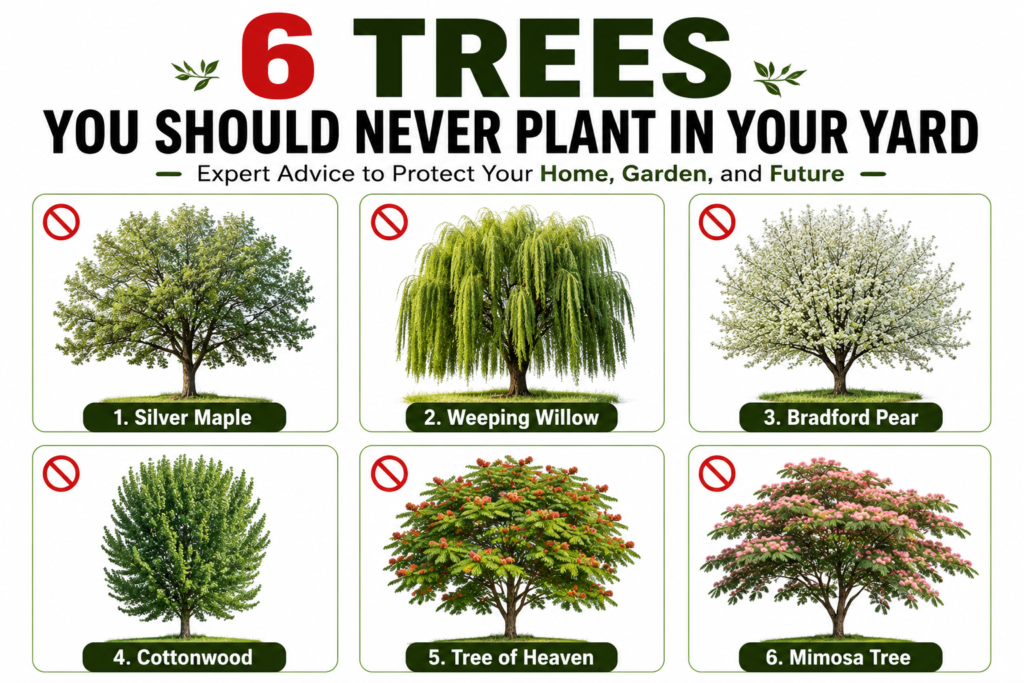
Here are six trees that experts commonly recommend avoiding in residential yards and why careful planning can save you money, stress, and future problems.
1. Silver Maple
Silver Maple is famous for its rapid growth. Homeowners often love the idea of having shade within a few years rather than waiting decades.
Unfortunately, fast growth often comes with hidden problems.
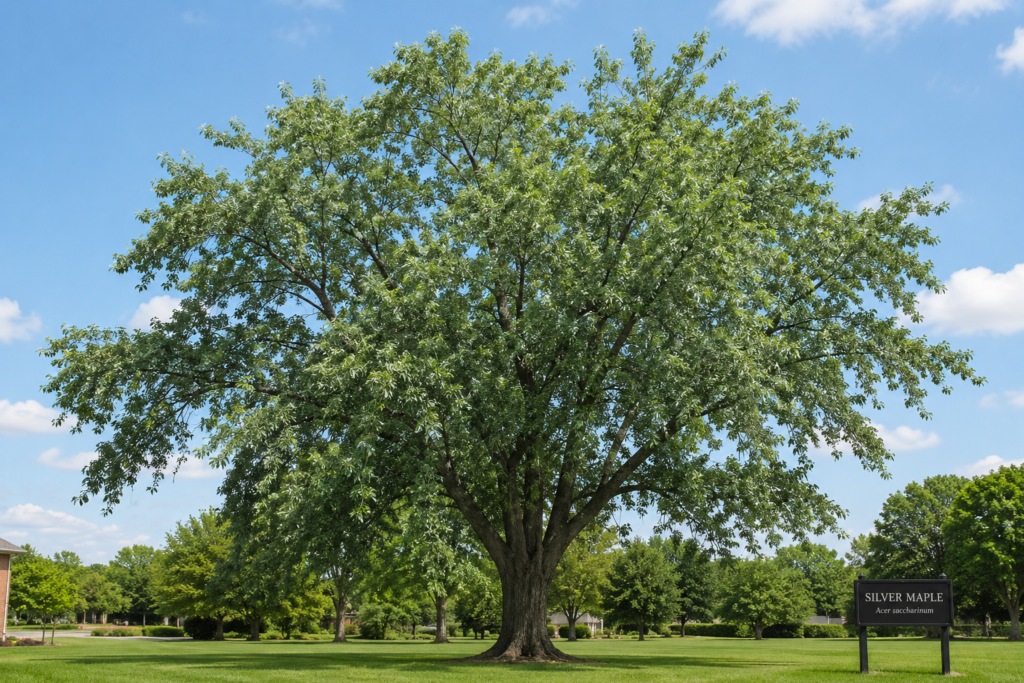
Silver Maples have aggressive root systems that search widely for water. These roots can invade underground pipes, damage sidewalks, and affect foundations.
The wood is also relatively weak compared to many other tree species.
During storms and strong winds, branches may break and create safety hazards.
Potential Problems
- Root damage to pipes and sidewalks
- Weak branches prone to storm damage
- Constant maintenance requirements
- Large size that can overwhelm small yards
Better Alternatives
- Sugar Maple
- Red Maple
- Serviceberry
These trees generally offer beauty and shade while creating fewer long-term concerns.
2. Weeping Willow
Weeping Willows are undeniably beautiful.
Their graceful branches and flowing leaves create a peaceful atmosphere. They often appear beside lakes and parks in photographs.
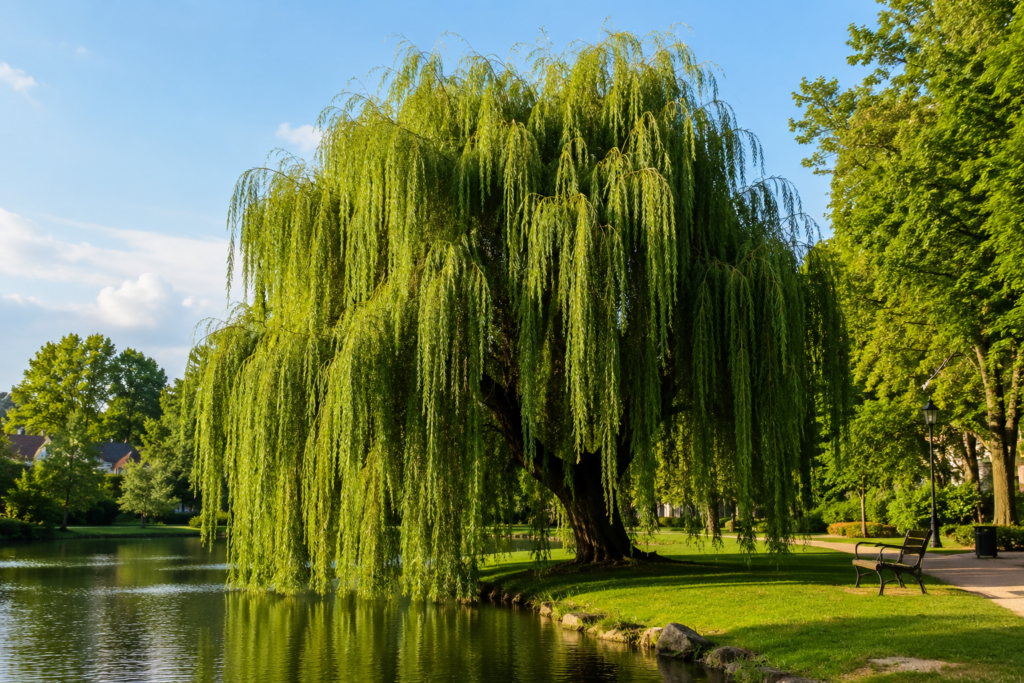
However, they are usually poor choices for small residential properties.
Willows possess extremely aggressive root systems.
Their roots actively search for water and frequently invade sewer lines, septic systems, drainage pipes, and underground utilities.
Because they grow quickly and become very large, they require substantial space.
Many homeowners underestimate how enormous these trees eventually become.
Potential Problems
- Aggressive roots seeking water sources
- Damage to sewer and drainage systems
- Large size unsuitable for smaller properties
- High maintenance requirements
Better Alternatives
- Japanese Maple
- River Birch
- Dogwood
These trees provide beauty without the same level of root-related concerns.
3. Bradford Pear
For many years, Bradford Pear trees became extremely popular.
Homeowners loved their spring blossoms and fast growth.
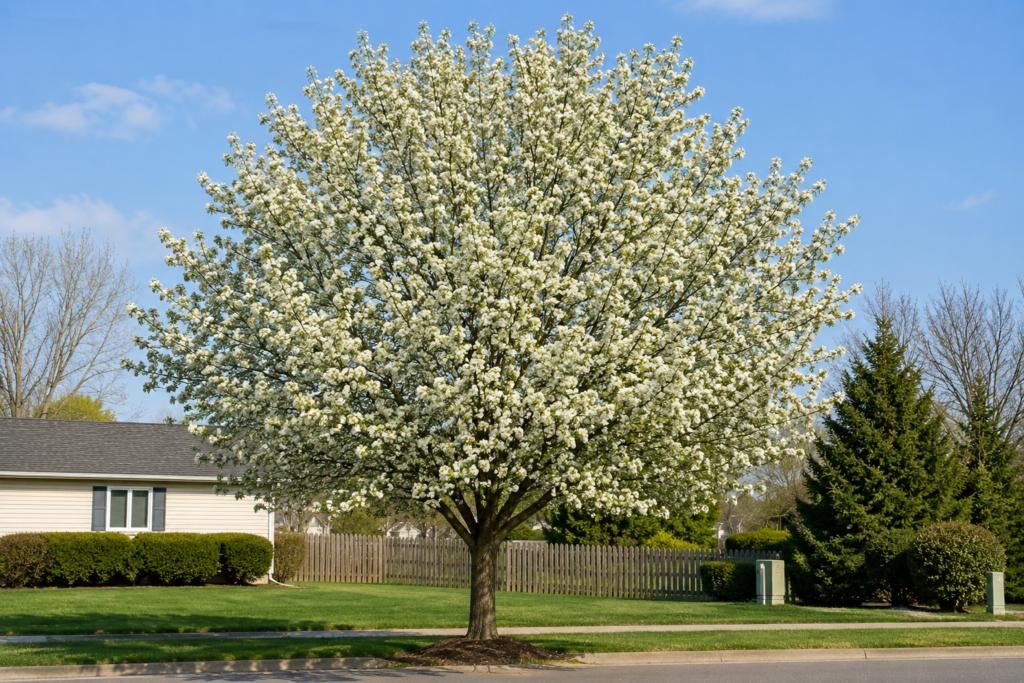
However, experts increasingly advise against planting them.
The structure of Bradford Pear trees tends to be weak.
As they mature, branches often split and break, particularly during storms.
Another issue is their invasive nature. In some areas, they spread aggressively and compete with native plants.
Some homeowners are also surprised by the unpleasant smell of the flowers during blooming season.
Potential Problems
- Weak branch structure
- Frequent storm damage
- Invasive tendencies
- Unpleasant flower odor
Better Alternatives
- Eastern Redbud
- Flowering Dogwood
- Crabapple Trees
These alternatives offer beautiful flowers and generally better structural stability.
4. Cottonwood
Cottonwood trees grow rapidly and provide excellent shade.
Unfortunately, they create several challenges in residential landscapes.
Cottonwoods become enormous.
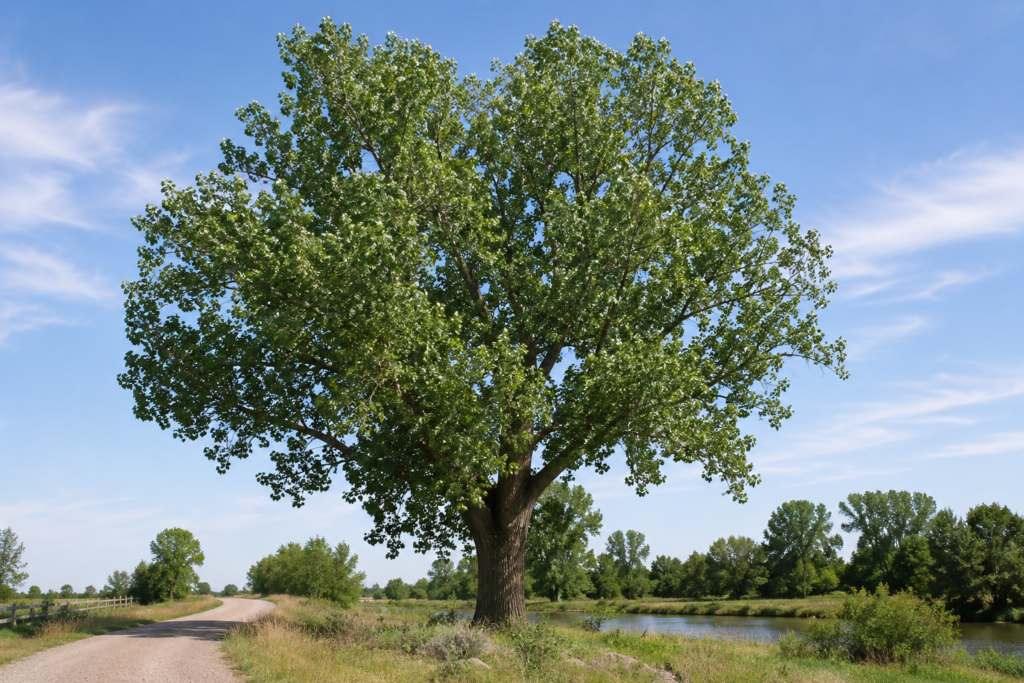
Their roots are extensive and may interfere with foundations, sidewalks, and plumbing systems.
They also produce large amounts of fluffy seeds that spread everywhere.
Homeowners frequently find themselves cleaning driveways, patios, pools, and gardens.
Their large branches can become dangerous during storms.
Potential Problems
- Massive root systems
- Messy seed production
- Extremely large size
- Increased maintenance costs
Better Alternatives
- Tulip Tree
- Oak Trees
- Red Maple
These trees provide shade while often requiring less maintenance.
5. Tree of Heaven
The name sounds attractive.
Unfortunately, many landscaping experts consider it one of the worst trees for residential areas.
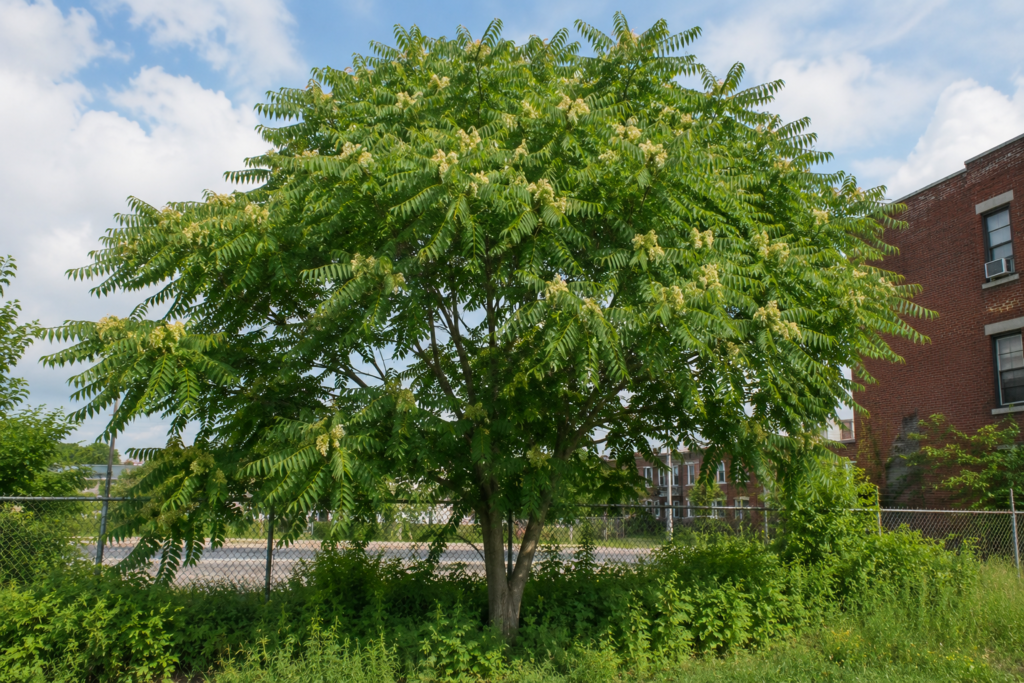
Tree of Heaven grows aggressively and spreads quickly.
Its roots produce chemicals that can inhibit nearby plants.
Removing established trees can become difficult because new shoots often appear repeatedly.
Some regions classify it as an invasive species because of its ability to dominate landscapes.
Potential Problems
- Rapid invasive growth
- Difficult removal process
- Damage to nearby vegetation
- Constant spreading through root shoots
Better Alternatives
- Native Elm Varieties
- Serviceberry
- American Hornbeam
Native species generally support local ecosystems while creating fewer problems.
6. Mimosa Tree
Mimosa trees attract attention because of their delicate pink flowers and unique appearance.
They seem perfect for decorative gardens.
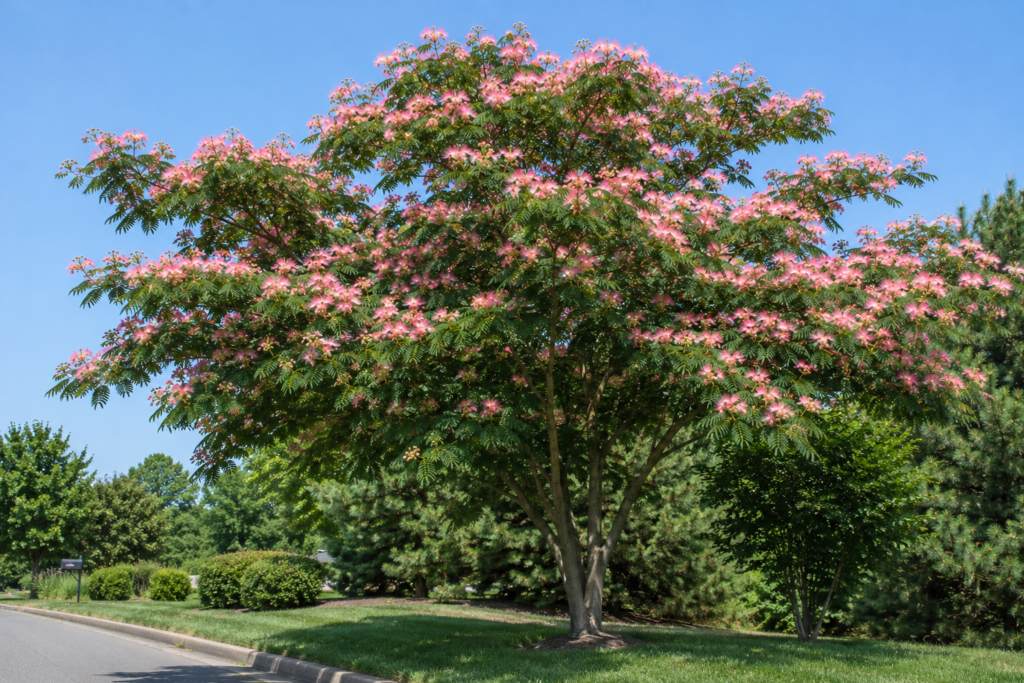
However, many experts recommend avoiding them.
Mimosa trees have relatively weak wood.
Branches frequently break during storms.
They are also susceptible to various diseases and often have relatively short lifespans.
In some regions, they spread aggressively and become invasive.
Potential Problems
- Weak branch structure
- Disease susceptibility
- Short lifespan
- Potential invasiveness
Better Alternatives
- Japanese Tree Lilac
- Eastern Redbud
- Fringe Tree
These alternatives often provide similar beauty with fewer long-term issues.
Why Choosing the Right Tree Matters
A tree is not merely decoration.
It becomes part of your property for decades.
The wrong tree can create:
- Expensive plumbing repairs
- Foundation damage
- Dangerous falling branches
- Constant maintenance expenses
- Landscape overcrowding
- Reduced property appeal
The right tree can provide:
- Shade and energy savings
- Improved air quality
- Wildlife habitat
- Increased property value
- Beauty and tranquility
- Environmental benefits for future generations
Every tree planted today becomes part of tomorrow’s landscape.
Questions to Ask Before Planting Any Tree
How Large Will It Become?
A small sapling may eventually grow taller than your house.
Always research mature size before planting.
How Aggressive Are the Roots?
Roots can travel surprisingly long distances.
Understand their growth patterns before making decisions.
How Much Maintenance Is Required?
Some trees require regular pruning and cleanup.
Others remain relatively low maintenance.
Is It Native to Your Region?
Native trees often adapt better to local conditions and support local wildlife.
How Close Is It to Structures?
Always consider distance from homes, sidewalks, driveways, fences, and utility lines.
Planning ahead can prevent costly mistakes.
The Bigger Life Lesson
Trees teach an important lesson about life.
Small decisions today often create major consequences tomorrow.
A tree may seem harmless when planted.
Years later, it may become either one of your greatest assets or one of your biggest regrets.
The same principle applies to many areas of life.
Relationships.
Habits.
Financial decisions.
Career choices.
Health decisions.
Success often comes from thinking long term.
Experts recommend choosing trees carefully because they understand one simple truth:
The future is shaped by today’s decisions.
Plant wisely.
Plan thoughtfully.
Think beyond immediate appearances.
Because the best choices are not always the fastest or most attractive today—they are the ones that continue providing value for many years to come.
A beautiful yard is created not merely by planting trees but by planting the right trees in the right places.
That principle protects your home, your garden, and your future.
SHARING IS CARING 💖