
In an ideal world, help would be freely given, kindness would come without conditions, and support would flow naturally between people. Unfortunately, the modern world often tells a different story. Today, many people are discovering a difficult truth: help often comes with a price. Whether it is emotional support, financial assistance, professional guidance, or social favors, expectations are frequently attached. This harsh reality can feel disappointing, confusing, and even painful—but understanding it is essential for survival, growth, and success in today’s society.
This article explores why help has become transactional, how it affects relationships and mental health, and how you can protect yourself while still building meaningful connections. The goal is not to promote cynicism, but to encourage awareness, boundaries, and smarter decision-making.
—
Why Help Is No Longer Free in Today’s World
One of the biggest changes in modern society is the shift from community-based support to value-based interactions. In the past, families, neighbors, and communities relied on each other for survival. Helping someone was an investment in collective well-being. Today, however, fast-paced lifestyles, economic pressure, and digital culture have transformed how people relate to one another.
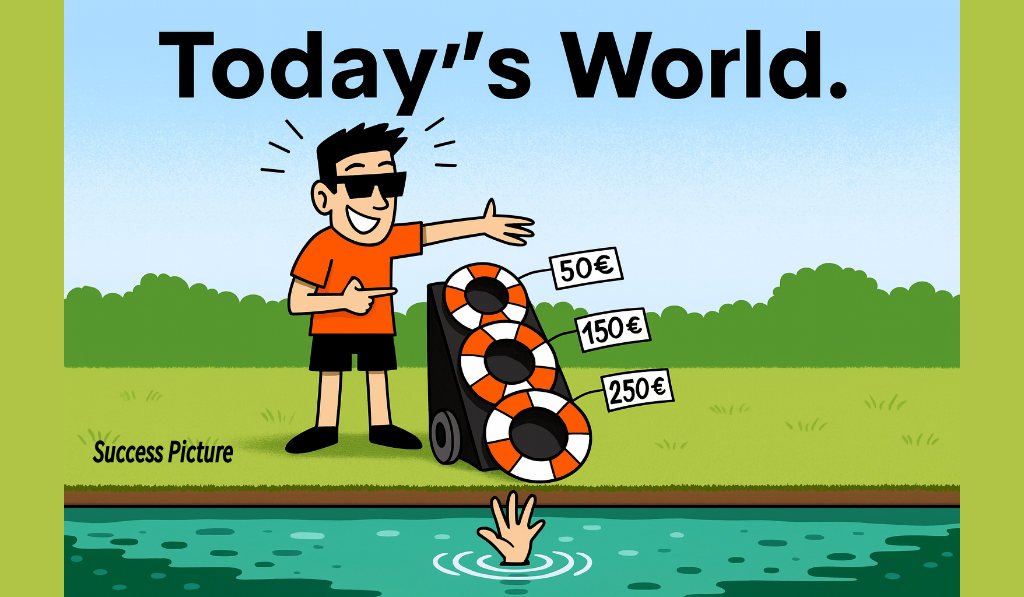
In many cases, help is now tied to:
Money or financial return
Personal gain or influence
Social status or visibility
Emotional control or obligation
People are often overwhelmed by their own responsibilities, bills, and stress. As a result, many feel they cannot afford to help unless there is something in it for them. This does not mean kindness is dead—but it has become more selective.
—
The Rise of Transactional Relationships
A key reason help comes with a price is the rise of transactional relationships. These are relationships where interactions are based on what each person gains rather than mutual care.
Examples include:
Networking only when there is a career benefit
Offering support with hidden expectations
Helping someone only to gain loyalty or control
Emotional support given in exchange for favors
While transactional relationships are common in business, they have increasingly entered personal spaces as well. This can lead to disappointment when people realize that support was never unconditional.
—
Emotional Help Often Comes With Strings Attached
Emotional support is one of the most valuable forms of help, yet it is also one of the most complicated. Many people listen, advise, or comfort others—but later use that support as leverage.
You may hear phrases like:
“After everything I did for you…”
“You owe me because I was there for you.”
“I supported you, so you should do this for me.”
This can create guilt, pressure, and emotional imbalance. True emotional support should empower you, not trap you in obligation. Unfortunately, not everyone understands this difference.
—
Financial Help: A Common Source of Conflict
Financial assistance is another area where help often comes at a cost. Loans from friends or family, business investments, or even small favors can turn into long-term stress.
Common problems include:
Loss of independence
Unspoken expectations
Power imbalance
Damaged relationships
Money changes dynamics quickly. What begins as support can slowly transform into control, judgment, or resentment. This is why many people say that financial help is never truly free.
—
The Impact on Mental Health and Trust
Living in a world where help comes with conditions can deeply affect mental health. People may become:
More guarded
Less trusting
Afraid to ask for help
Emotionally distant
Constantly questioning motives can be exhausting. Over time, this environment can lead to anxiety, loneliness, and emotional burnout. However, awareness is the first step toward protecting your mental well-being.
—
Does This Mean You Should Stop Accepting Help?
Absolutely not. The solution is not isolation—it is discernment.
There is a difference between:
Healthy, mutual support
Manipulative or conditional help
Learning to recognize this difference allows you to accept help without losing your peace or self-respect.
Ask yourself:
Are expectations clearly stated?
Does this help empower or control me?
Would I still accept this help if I knew the full cost?
Is this relationship balanced over time?
These questions can help you make smarter choices.
—
Setting Boundaries in a Conditional World
Boundaries are your strongest defense in a world where help often has a price. Healthy boundaries protect your time, energy, and emotions.
Practical boundary tips:
Say no without over-explaining
Avoid accepting help you are uncomfortable repaying
Be clear about what you can and cannot offer in return
Trust actions more than words
Boundaries do not make you selfish—they make you safe.
Learning to Be Self-Reliant Without Becoming Cold
Many people respond to the harsh reality of conditional help by becoming overly independent. While self-reliance is powerful, extreme independence can lead to isolation.
The goal is balance:
Build skills that reduce dependency
Create financial and emotional stability
Choose support systems carefully
Stay open, but not naive
Self-reliance should give you freedom—not walls.
—
Why Some People Still Help Without Expectation
Despite everything, genuine kindness still exists. Some people help because:
They have healed themselves
They understand abundance, not scarcity
They value integrity over advantage
They don’t need control to feel powerful
These people may be rare, but they are real. When you find them, value them—and strive to become one of them.
—
Becoming a Wise Giver and Receiver
In today’s world, wisdom matters more than blind trust. Being wise means:
Helping without expecting control
Accepting help without surrendering your power
Communicating honestly
Walking away when support feels unsafe
When you operate with awareness, help becomes a choice—not a trap.
—
Final Thoughts: Understanding the Reality Without Losing Humanity
The harsh reality of today’s world is that help often comes with a price—but that doesn’t mean hope is lost. Awareness allows you to navigate this reality without bitterness. Boundaries allow you to protect yourself without closing your heart.
You don’t need to reject help entirely. You just need to choose wisely, trust gradually, and never trade your peace for temporary support.
In a world where many give to gain, be someone who understands the cost—and decides consciously whether it is worth paying.
Because true strength isn’t refusing help.
It’s knowing when help is genuine—and when it’s not.
Sharing is caring 🙏