
Introduction: When Online Approval Starts Controlling Real Life
A few years ago, I noticed something strange about myself.
Every time I posted something online, I would unconsciously keep checking my phone:
- Who liked it?
- Who viewed it?
- Why didn’t more people react?
At first, it felt harmless. I told myself it was normal curiosity. But slowly, I realized my mood was changing depending on numbers on a screen.
If a post performed well, I felt confident and happy.
If it didn’t, I started doubting myself for no real reason.
That was the moment I realized something dangerous:
👉 I had unknowingly connected my self-worth to social media validation.
And honestly, millions of people are trapped in the same cycle without fully realizing it.
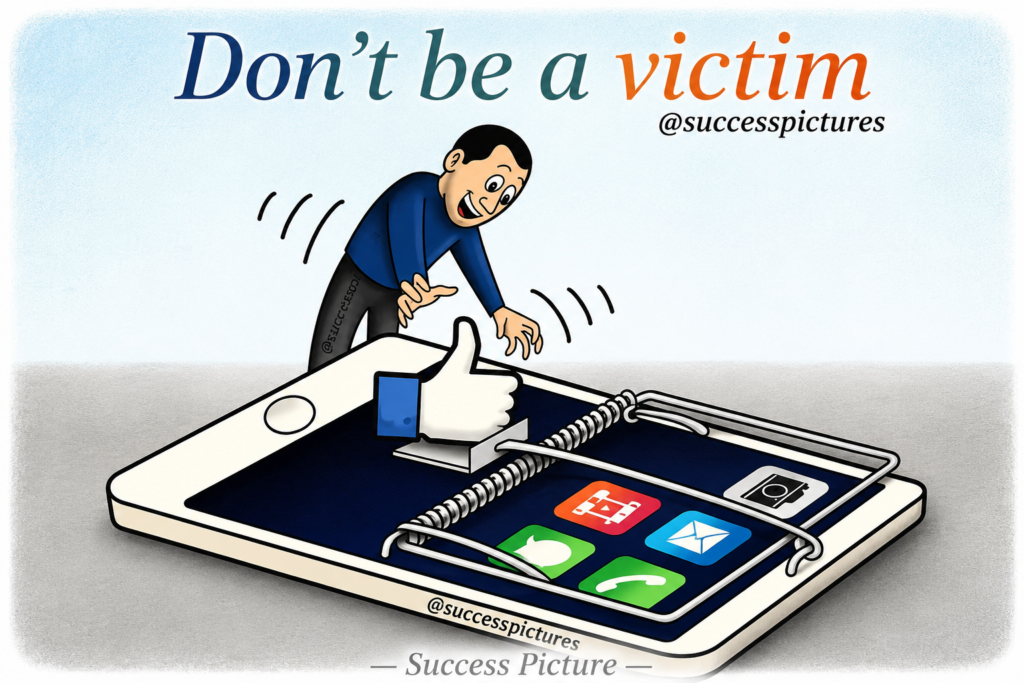
📱 The Modern Addiction Nobody Talks About Enough
Most people think social media addiction only means spending too much time online. But the deeper problem is emotional dependency on attention and approval.
Social media platforms are designed to trigger emotional reactions through:
- Likes
- Notifications
- Comments
- Followers
- Views
Every small interaction gives the brain a temporary feeling of reward.
Over time, many people stop posting because they enjoy sharing—and start posting because they crave validation.
That shift quietly changes:
- Confidence
- Mental health
- Emotional stability
- Self-image
And the scary part is:
👉 It happens slowly.
☕ The Coffee Shop Moment That Changed My Thinking
One afternoon, I sat in a coffee shop watching people around me. Almost everyone kept checking their phones every few minutes:
- Taking pictures before eating
- Refreshing notifications
- Scrolling endlessly
- Comparing themselves to strangers online
And suddenly I realized something:
👉 Many people are no longer living experiences fully—they are performing them for validation.
That thought stayed in my mind for days.
I asked myself:
- “Would I still enjoy this moment if nobody saw it online?”
- “Am I doing things because I love them—or because they look impressive?”
Those questions were uncomfortable but necessary.
🧠 Why Social Media Validation Feels So Powerful
Humans naturally want connection and acceptance. Social media takes advantage of this emotional need by turning attention into numbers:
- Likes become approval
- Followers become status
- Views become self-worth
The brain begins associating digital reactions with personal value.
This creates a dangerous emotional cycle:
- Post something online
- Wait for reactions
- Feel emotionally rewarded or rejected
- Repeat the behavior again
Over time, validation becomes addictive.
😔 The Emotional Damage Most People Ignore
At first, validation addiction feels small. But slowly it affects real life in painful ways.
I noticed it affecting:
- My confidence
- My focus
- My happiness
- My ability to enjoy simple moments
Sometimes I compared my life to carefully edited versions of other people’s lives online.
And honestly, comparison quietly destroys peace.
🌪️ The Comparison Trap
Social media often shows:
- Highlight moments
- Success stories
- Perfect vacations
- Happy relationships
- Luxury lifestyles
But rarely:
- Anxiety
- Loneliness
- Failure
- Self-doubt
- Emotional struggles
The problem is:
👉 Our real life starts competing against someone else’s edited reality.
And no real life can win that comparison.
📉 How Validation Addiction Lowers Confidence
Ironically, constantly seeking validation often reduces self-confidence instead of increasing it.
Why?
Because confidence built on external approval becomes unstable.
When praise disappears:
- Self-doubt increases
- Anxiety grows
- Insecurity becomes stronger
I realized true confidence cannot depend on:
- Likes
- Followers
- Comments
- Attention
Because those things constantly change.
🌱 The Day I Stopped Posting for Attention
One day, I decided to take a short break from posting online.
At first, it felt strange. I kept reaching for my phone automatically. I realized how deeply the habit had entered my mind.
But after a few days, something surprising happened:
👉 My thoughts became quieter.
I started noticing:
- Real conversations
- Peaceful moments
- Nature
- My own emotions
Without constantly thinking about online reactions, life started feeling more real again.
🌙 The Difference Between Connection and Validation
Social media itself is not the enemy. It can:
- Inspire people
- Build communities
- Share ideas
- Create opportunities
The problem begins when:
👉 Validation becomes more important than genuine connection.
There’s a huge difference between:
- Sharing something meaningful
and - Needing approval to feel valuable.
One comes from expression.
The other comes from emotional dependency.
🚨 Signs You Might Be Trapped in Validation Addiction
I started recognizing these signs in myself:
✔ Constantly checking notifications
Even without hearing alerts.
✔ Feeling anxious after posting
Wondering how people would react.
✔ Comparing my life constantly
To people online.
✔ Deleting posts with low engagement
As if numbers defined worth.
✔ Feeling emotionally affected by online attention
Good or bad.
🌿 Why Silence Feels Uncomfortable Now
One thing I noticed during my break from social media was how uncomfortable silence had become.
Without:
- Notifications
- Scrolling
- Constant stimulation
I suddenly had to face my own thoughts again.
Many people unknowingly use social media as emotional distraction:
- To avoid loneliness
- To escape boredom
- To avoid overthinking
- To feel temporarily important
But constant distraction weakens self-awareness.
💡 The Hidden Business Behind Validation
Social media platforms benefit when users stay emotionally attached.
The more people chase validation:
- The longer they stay online
- The more content they consume
- The more emotionally reactive they become
Attention has become a business model.
That realization completely changed how I used social media.
🌎 Real Life Exists Outside the Screen
One evening, I left my phone at home and went for a long walk.
I noticed things I had ignored for months:
- Sunsets
- Conversations
- Birds
- Silence
- My own breathing
And honestly, life felt peaceful again.
That moment reminded me:
👉 The best parts of life are often not online.
🔥 The Shift From Seeking Attention to Building a Real Life
Slowly, I changed my mindset.
Instead of asking:
👉 “How can I impress people online?”
I started asking:
👉 “How can I improve my real life?”
That small shift changed:
- My mental peace
- My productivity
- My confidence
- My happiness
Because real fulfillment comes from:
- Growth
- Purpose
- Relationships
- Health
- Peace of mind
Not temporary online attention.
🧘 What Helped Me Break Free From Validation Addiction
These habits helped me regain emotional balance:
✔ Limiting Social Media Time
Less scrolling improved focus and peace.
✔ Spending More Time Offline
Real experiences felt more meaningful.
✔ Journaling Thoughts
Writing helped me understand my emotional triggers.
✔ Avoiding Constant Comparison
Protecting mental peace became important.
✔ Building Confidence Internally
Instead of depending on attention.
🌸 The Difference Between Real Happiness and Online Attention
Online validation feels exciting for a moment.
But real happiness feels peaceful for a long time.
There’s a huge difference between:
- Being admired online
and - Feeling genuinely fulfilled internally.
One depends on strangers.
The other depends on self-awareness.
🌟 Why This Topic Matters More Than Ever
Today, millions of people silently struggle with:
- Digital comparison
- Attention addiction
- Validation dependency
- Emotional burnout
And many don’t even realize it.
That’s why learning emotional independence in the digital age is becoming one of the most important life skills.
🚀 The Powerful Lesson I Learned
The biggest lesson social media taught me was this:
👉 Attention is not the same as self-worth.
You do not become more valuable because strangers approve of you online.
And you do not become less valuable because they don’t.
Real confidence begins when your identity stops depending on digital reactions.
ALSO READ…
- 33 Magical Moon Quotes That Will Touch Your Soul at Night
- 100+ Heartfelt Mother’s Day Quotes to Express Love, Gratitude & Strength (2026 Guide)
- 75 Happy Father’s Day Quotes to Celebrate Love, Strength & Guidance (2026 Guide)
- 75 Self-Love Quotes to Build Confidence & Inner Strength (2026 Guide)
- 75 Funny Valentine’s Day Quotes for Couples, Singles & Friends (2026)
❓ Frequently Asked Questions
Is social media validation harmful?
It can become harmful when self-worth becomes dependent on likes, attention, or online approval.
How do I stop seeking validation online?
Focus more on real-life growth, meaningful relationships, self-awareness, and limiting comparison.
Can social media affect mental health?
Yes. Excessive comparison, validation addiction, and emotional dependency can increase anxiety and reduce self-esteem.
🌈 Final Thoughts
Social media can be useful, entertaining, and inspiring—but only when it remains a tool instead of becoming emotional control.
The hidden trap of validation begins quietly:
- One notification
- One comparison
- One emotional reaction at a time
But over time, it can slowly disconnect people from real peace and authentic confidence.
If there’s one lesson I learned, it’s this:
👉 Your value does not increase or decrease based on online attention.
The people who find real happiness are not always the most admired online.
Often, they are simply the ones who learned how to enjoy life beyond the screen.
SHARING IS CARING 💖