
Pomegranate seeds are small, juicy, ruby-red bites that add color, flavor, and nutrition to everyday meals. Whether you enjoy them on their own, sprinkle them over a bowl of curd, or mix them into a fresh fruit salad, pomegranate seeds are an easy way to make your diet more interesting.
But are pomegranate seeds actually good for your health? Yes, they can be a nutritious addition to a balanced diet. They contain dietary fiber, vitamins, minerals, and beneficial plant compounds known as polyphenols. These nutrients can support normal digestion and contribute to an overall healthy eating pattern.
In this guide, we will explore 15 health benefits of pomegranate seeds, their nutritional value, how to eat them, possible side effects, and answers to common questions. We will also separate potential benefits from health claims that still need stronger scientific evidence.
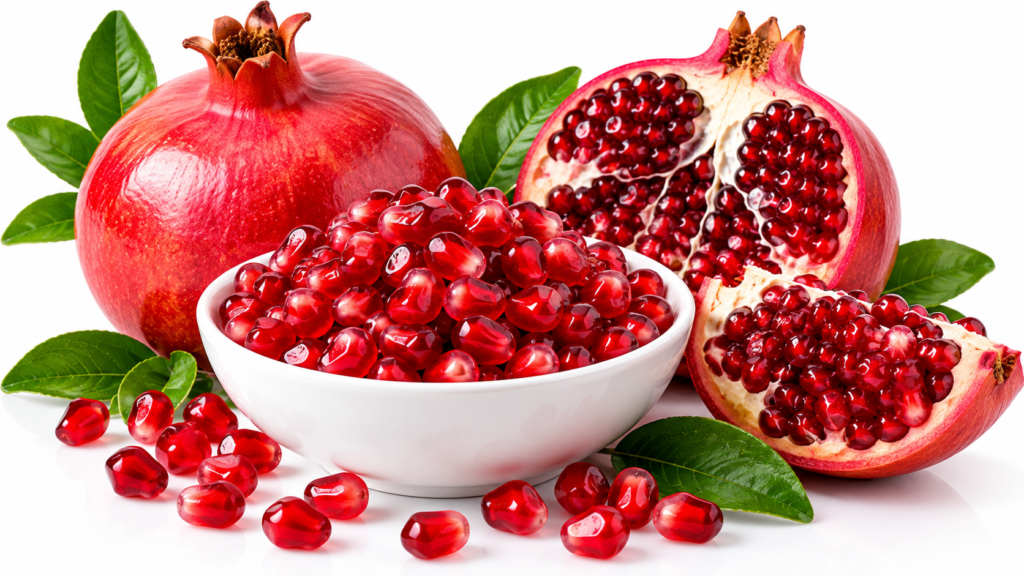
What Are Pomegranate Seeds?
The red, juicy parts inside a pomegranate are commonly called seeds. Technically, the juicy outer covering is known as an aril, and it surrounds a small, edible seed.
Most people eat the entire aril, including the inner seed. This provides a combination of juicy fruit, fiber, and plant nutrients.
Pomegranates are enjoyed around the world and are especially popular in India, where they are eaten fresh, added to fruit chaat, used as a garnish, or included in traditional recipes.
According to the National Center for Complementary and Integrative Health (NCCIH), pomegranate contains substances with antioxidant activity, although research is still developing on how pomegranate products affect specific health conditions.
Pomegranate Seeds Nutrition
Pomegranate seeds provide several nutrients that help make this fruit a healthy choice. Their exact nutritional content varies according to serving size and fruit variety.
A half-cup serving of pomegranate arils provides approximately:
| Nutrient | Approximate amount |
|---|---|
| Calories | 72 |
| Dietary fiber | 3.5 g |
| Vitamin C | 8.9 mg |
| Potassium | 205 mg |
| Magnesium | 10.4 mg |
These figures are approximate and based on nutrition data reported for about 87 grams of pomegranate arils. Actual values may vary.
Pomegranate also contains naturally occurring polyphenols, including anthocyanins and ellagitannins. These compounds are studied for their antioxidant properties.
One important point: whole pomegranate and pomegranate juice are not nutritionally identical. Whole arils provide fiber, while juice generally contains less fiber because much of the solid fruit is removed. Harvard Health also recommends choosing whole fruit when possible. Read more about pomegranate nutrition from Harvard Health.
15 Health Benefits of Pomegranate Seeds
1. Provide Antioxidants
One of the best-known features of pomegranate is its supply of antioxidant plant compounds.
Antioxidants help protect cells from oxidative stress, a process involving unstable molecules called free radicals. Oxidative stress is associated with several processes involved in aging and disease, although it does not mean that eating one particular food will prevent those conditions.
Including pomegranate seeds alongside other colorful fruits and vegetables can help increase the variety of beneficial plant compounds in your diet.
Why it matters: Pomegranate seeds are a flavorful way to add antioxidant-rich foods to your daily meals.
2. Support Healthy Digestion
Pomegranate arils contain dietary fiber, which supports normal bowel function. Fiber helps add bulk to stool and can contribute to regular bowel movements.
Eating enough fiber from a variety of foods, including fruits, vegetables, beans, and whole grains, is an important part of a balanced diet.
If your current diet is low in fiber, increase your intake gradually and drink enough water to help your digestive system adjust.
Simple tip: Add a small serving of pomegranate seeds to breakfast or enjoy them with a fruit snack.
3. Contribute to Heart Health
A heart-friendly diet includes fruits, vegetables, whole grains, nuts, and other nutrient-rich foods. Pomegranate seeds can fit comfortably into this pattern.
Their fiber and polyphenol content make them a useful addition to a varied diet. Some studies involving pomegranate juice or extracts have reported potential effects on blood pressure and other cardiovascular markers, but findings are not conclusive enough to treat pomegranate as a heart medicine.
Remember: Eating pomegranate seeds does not replace prescribed blood pressure or cholesterol medication.
4. Help Increase Daily Fiber Intake
Many people do not eat enough fiber. Pomegranate seeds offer a convenient way to add some more to your meals.
Fiber can help support digestion and may contribute to feelings of fullness after eating. However, the effect depends on your overall meal, portion size, and the rest of your diet.
For better results, combine pomegranate with other fiber-containing foods instead of relying on a single fruit.
5. Provide Vitamin C
Pomegranate seeds contain vitamin C, a nutrient involved in normal immune function, collagen formation, and wound healing.
Vitamin C also plays a role in helping the body absorb iron from plant-based foods. Pomegranate can contribute to your intake, although it should not be considered your only source of vitamin C.
Other sources include guava, oranges, kiwi, strawberries, and bell peppers.
6. Contribute to Normal Immune Function
Your immune system relies on a combination of nutrients, adequate sleep, physical activity, and other healthy habits.
Pomegranate seeds provide vitamin C and plant compounds that can contribute to a nutritious eating pattern. However, no single food can guarantee immunity from infections or replace recommended medical care.
Everyday idea: Combine pomegranate seeds with a variety of fruits and vegetables rather than focusing on just one so-called superfood.
7. Supply Potassium
Potassium is an essential mineral involved in normal muscle contraction, nerve signaling, and fluid balance. It also plays a role in maintaining healthy blood pressure as part of an appropriate diet.
Pomegranate seeds provide some potassium, but they are not the only source. Bananas, potatoes, beans, lentils, and many vegetables also supply this mineral.
People who have kidney disease or have been advised to restrict potassium should follow their healthcare professional’s dietary guidance.
8. Contain Plant Compounds That May Help Support a Healthy Inflammatory Response
Pomegranate contains polyphenols that researchers are studying for their antioxidant and potential anti-inflammatory properties.
Inflammation is a normal part of the body’s response to injury and infection. Long-term inflammation is more complicated and can be influenced by many factors, including lifestyle and underlying health conditions.
Research on pomegranate products is promising in some areas, but there is not enough evidence to claim that eating pomegranate seeds treats inflammatory diseases.
The practical takeaway: Enjoy them as one part of a balanced, varied diet.
9. May Help You Feel Satisfied After Eating
Pomegranate seeds contain water and fiber, both of which contribute to the overall eating experience and can help make a snack more satisfying.
Their sweet-tart flavor can also provide a refreshing alternative to some highly processed sweet snacks.
For a more filling snack, pair them with plain yogurt, unsweetened curd, or a small serving of nuts. The combination provides a wider range of nutrients than pomegranate alone.
10. Support a Balanced Eating Pattern for Metabolic Health
A nutritious diet can support overall metabolic health. Pomegranate seeds provide fiber and naturally occurring plant compounds while offering a naturally sweet flavor.
Some studies of pomegranate juice or extracts have explored blood glucose and other metabolic markers. However, the available evidence is limited, and results from juice or concentrated extracts should not automatically be applied to whole seeds.
Pomegranate seeds do contain natural carbohydrates. People managing diabetes should consider their portion sizes and overall meal plan rather than assuming that fruit has no effect on blood glucose.
11. Contribute Nutrients Involved in Bone Health
Pomegranate provides small amounts of minerals and other nutrients that contribute to overall nutritional quality. Its plant compounds are also being studied in relation to various aspects of health.
However, strong human evidence that eating pomegranate seeds directly improves bone strength or prevents osteoporosis remains limited.
For healthy bones, focus on an overall diet that supplies enough calcium, vitamin D, protein, and other essential nutrients. Weight-bearing exercise and appropriate medical care are also important.
12. Offer a Nutrient-Rich Alternative to Some Sweet Snacks
If you often reach for sweets between meals, fresh pomegranate seeds can be a refreshing option.
They have a naturally sweet and tangy taste and provide water, fiber, and plant nutrients. Unlike many confectionery snacks, they also contribute fruit to your daily diet.
You do not need to eliminate every treat from your diet. The goal is to build a balanced routine in which fruit is an easy, enjoyable choice.
13. Can Be Part of a Skin-Friendly Diet
Healthy skin depends on many factors, including genetics, sun exposure, hydration, sleep, and overall nutrition.
Pomegranate provides vitamin C, which the body needs to make collagen, as well as antioxidant plant compounds. These nutrients contribute to normal body functions that are relevant to skin health.
However, eating pomegranate seeds has not been proven to remove wrinkles, clear acne, or reverse skin aging on its own. Be cautious of products or articles promising dramatic skin changes from one food.
14. Provide a Convenient Way to Eat More Whole Fruit
Some people find it easier to eat fruit when it is prepared and ready to enjoy. Pomegranate arils can be removed from the fruit, stored appropriately, and added to different meals.
Try them in:
- Breakfast bowls with oats or yogurt
- Fresh fruit salads
- Homemade smoothies
- Vegetable salads
- Chaat made with fruit and suitable seasonings
Choosing whole fruit more often can help you obtain fiber along with naturally occurring vitamins and plant compounds.
15. Add Color, Flavor, and Variety to Everyday Meals
A healthy diet should be practical and enjoyable. Pomegranate seeds make meals look attractive while adding a juicy texture and a sweet-tart flavor.
Sprinkle them over plain curd, add them to a salad, or mix them into a homemade snack bowl. Their versatility can make it easier to include fruit in your daily routine.
This may sound like a simple benefit, but foods you enjoy and can prepare easily are often easier to include consistently in a balanced eating pattern.
Is It Good to Eat Pomegranate Seeds Every Day?
For most healthy adults, eating a moderate portion of pomegranate seeds regularly can be part of a balanced diet.
A practical starting point is around half a cup of arils, adjusting the portion to your appetite, dietary needs, and overall food intake. There is no single ideal amount that everyone must eat.
You can enjoy pomegranate several times a week or more often if it suits your diet. There is no need to force yourself to eat it daily to obtain health benefits.
Remember that variety matters. Apples, oranges, guava, berries, bananas, and other fruits provide different combinations of nutrients.
How to Eat Pomegranate Seeds
Pomegranate seeds are easy to include in meals. Here are a few simple ideas:
1. Eat them fresh: Remove the arils from a ripe pomegranate, rinse them if needed, and enjoy them as a snack.
2. Add them to curd: Mix the seeds into plain yogurt or dahi for a refreshing combination.
3. Prepare fruit chaat: Combine pomegranate with chopped apple, orange, or other fruits you enjoy.
4. Sprinkle them over salads: Add a small handful to a vegetable salad for color and a sweet-tart taste.
5. Add them to breakfast: Use pomegranate seeds as a topping for oats, porridge, or a yogurt bowl.
6. Blend them into a smoothie: Combine the arils with other fruit and plain yogurt. Blending may change the texture, but using the whole arils can retain more of their fiber than straining the mixture.
Wash the outside of the fruit before cutting it and use clean utensils and hands when preparing the arils.
Pomegranate Seeds vs. Pomegranate Juice
Both whole pomegranate and its juice can provide beneficial plant compounds, but they are not interchangeable in every respect.
| Feature | Whole pomegranate arils | Pomegranate juice |
|---|---|---|
| Fiber | Provides dietary fiber | Usually much less fiber |
| Eating experience | Chewy and juicy | Easy to drink |
| Portion awareness | Requires chewing | Easy to consume quickly |
| Added sugar | No added sugar when fresh and plain | Depends on the product |
| Best everyday approach | A useful whole-fruit option | Choose suitable portions and check the label |
If you enjoy juice, look for a product without added sugar and keep portion size in mind. Whole fruit is often the better starting choice when you want to include fiber.
Possible Side Effects and Precautions
Pomegranate seeds are generally safe for most people when eaten as food, but a few precautions are worth knowing.
1. Digestive discomfort
Eating a large quantity may cause discomfort in some people, especially those who are not used to fiber-rich foods. Increase fiber intake gradually if necessary.
2. Allergic reactions
Although uncommon, food allergies can occur. Stop eating pomegranate and seek medical advice if you notice a reaction. Serious symptoms such as difficulty breathing or swelling of the throat require emergency medical care.
3. Medication questions
Pomegranate juice and extracts may interact with certain medicines, although the evidence and significance vary. If you take regular medication, particularly medication for blood pressure or other long-term conditions, ask your doctor or pharmacist whether any dietary precautions are necessary before using concentrated pomegranate products or supplements.
4. Diabetes and portion size
Pomegranate contains natural sugars and carbohydrates. People managing blood glucose should account for fruit portions as part of their individual meal plan.
5. Kidney-related dietary restrictions
Pomegranate contains potassium. If you have kidney disease or have been told to limit potassium, check with your healthcare professional before making significant dietary changes.
6. Do not use it as a substitute for treatment
Pomegranate seeds are a food, not a medicine. They should not replace prescribed medication, medical testing, or professional treatment for a health condition.
For further information, consult the NCCIH’s pomegranate safety and evidence overview.
Frequently Asked Questions
1. What are the main health benefits of pomegranate seeds?
Pomegranate seeds provide fiber, vitamin C, potassium, and antioxidant plant compounds. They can contribute to normal digestion and a balanced diet, while research continues into possible effects on cardiovascular and other health markers.
2. Can I eat pomegranate seeds every day?
Most healthy adults can enjoy a moderate serving regularly. A half-cup serving is a practical starting point, but individual needs vary.
3. Should I swallow or spit out pomegranate seeds?
The entire aril, including its small inner seed, is generally edible. Chew them comfortably. If the texture is difficult for you, you can choose another way to enjoy the fruit.
4. Are pomegranate seeds better than pomegranate juice?
Whole arils generally provide more fiber than juice. Juice can still supply nutrients and plant compounds, but check for added sugar and be mindful of serving size.
5. Do pomegranate seeds help with weight loss?
No single food causes weight loss on its own. Pomegranate can fit into a balanced eating plan, and its fiber may contribute to fullness, but weight management depends on overall eating patterns, activity, sleep, and other individual factors.
6. Are pomegranate seeds good for the skin?
They supply vitamin C and antioxidant plant compounds that contribute to normal nutrition. However, eating them alone is not a proven treatment for acne, wrinkles, or other skin conditions.
7. Can people with diabetes eat pomegranate seeds?
Many people with diabetes can include fruit in their diet, but portion size and individual blood glucose responses matter. Follow your healthcare professional’s advice and account for the fruit’s carbohydrates.
8. What is the best time to eat pomegranate seeds?
There is no universally proven best time. You can eat them at breakfast, as a snack, or with lunch or dinner—whenever they fit comfortably into your routine.
9. Do pomegranate seeds contain antioxidants?
Yes. Pomegranate contains polyphenols and other plant compounds with antioxidant activity. The amount and type can vary depending on the fruit and the product.
10. Can children eat pomegranate seeds?
Pomegranate arils can be included in a child’s diet when age-appropriate, but texture and choking risk matter. Prepare them according to the child’s developmental stage and seek pediatric guidance if you are unsure.
Final Thoughts
Pomegranate seeds are more than a colorful topping. They provide fiber, vitamins, minerals, and antioxidant plant compounds that can contribute to a nutritious, balanced diet.
The most practical benefits are straightforward: they help you include whole fruit, add some fiber to meals, and enjoy a variety of plant nutrients. Researchers continue to investigate possible effects on heart health and other conditions, but the evidence does not support treating pomegranate seeds as a cure or guaranteed prevention for disease.
Enjoy them fresh, add them to curd or salads, and combine them with other fruits and vegetables. A varied diet and consistent healthy habits matter far more than relying on a single food.
Health disclaimer: This article is for general educational purposes only. It is not a substitute for personalized medical advice, diagnosis, or treatment. Consult a qualified healthcare professional about dietary changes if you have a medical condition, food allergy, or medication-related concern.
SHARING IS CARING 💖